
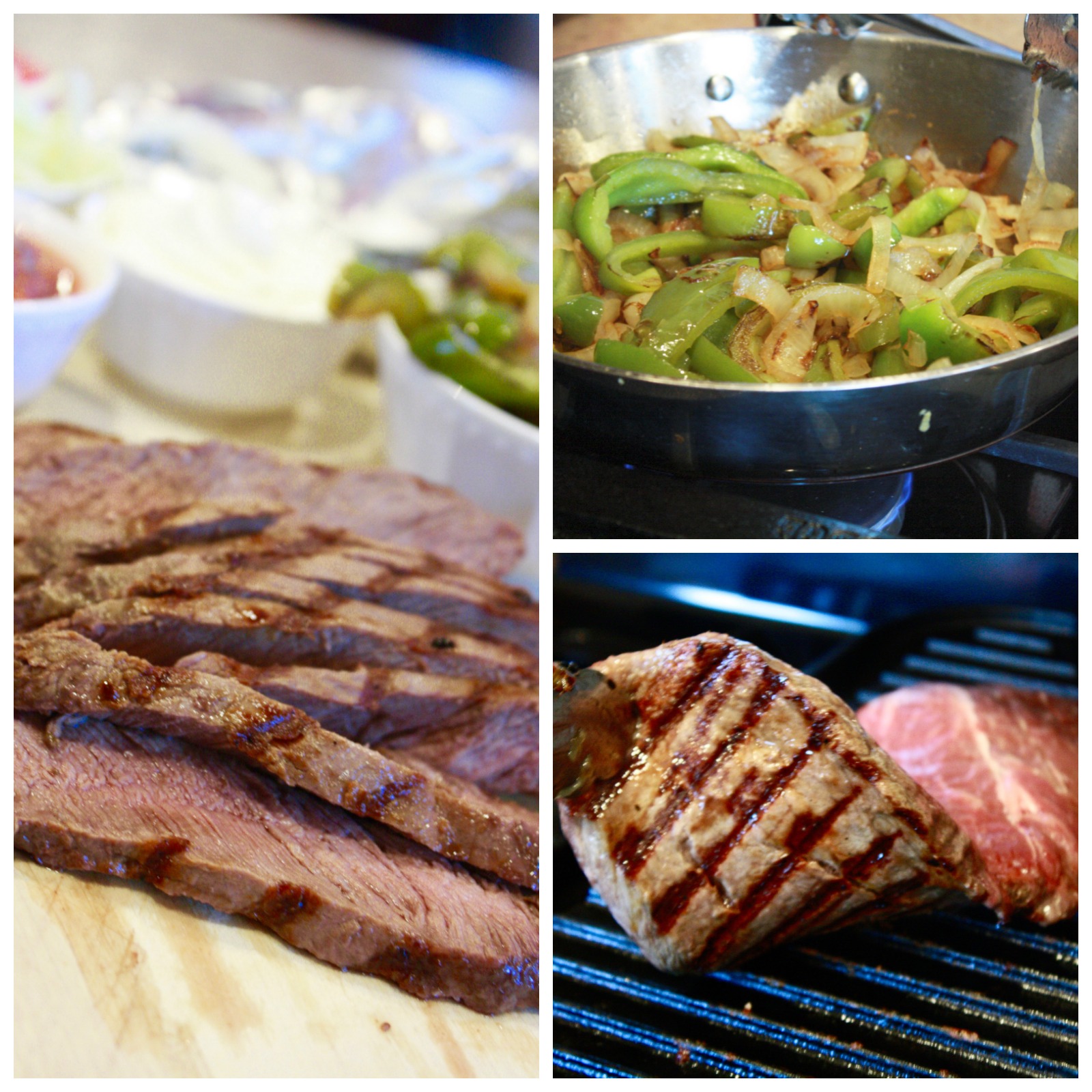
STEAK FAJITAS RESTAURANT STYLE DINNER RECIPE + HOW TO MAKE STEAK FAJITAS AT HOME
Looking to recreate those restaurant-style fajitas at home? We’ve got every last detail you need to nail those delicious fajitas in your very own home.
Follow along with this step-by-step guide to steak fajita success.
WHAT MAKES THIS RECIPE RELIABLE
Flat iron steak. Flat iron steak is very flavorful and full of marbling, which means that it will stand up to the intense heat necessary to make fajitas and will stay tender.
Ask your butcher for some. Cheaper cuts of meat will be extremely chewy, trust me.
Crispy veggies. Restaurants add a surprising element to fajita veggies that creates those sweet, crispy, slightly burnt veggies.
One tablespoon of sugar. Try it!
WHAT TO KNOW BEFORE YOU START
- If you want to prepare the meat ahead of time, flank steak can be left to marinate overnight. Flat iron steak, however, should come out of the marinade after 5-6 hours. Too much of an acidic marinade will make the meat mushy.
- Lime juice penetrates the meat, ensuring that all of the garlic, cumin and olive oil flavors permeate the meat while also tenderizing the steak. Marinating time should be in the 4-6 hours range. Four hours minimum if possible.
- If you don’t have access to a grill, this recipe calls for a cast iron grill pan that will create those beautiful charred grill marks on your meat. That charred meat adds a smoky flavor.
- Fajita meat should be sliced against the grain for a tender texture. Sliced with the grain, the meat will be very chewy and dry.
- The fajita meat is ready once browned on all sides, which means cooking time will vary according to thickness of slices.
- Serve with corn and/or flour tortillas warmed up in the microwave, salsa, sour cream, etc.
Next up, prep your pans. This sounds trickier than it is.
Here’s what’s happening: the vegetables take 10-15 minutes over a med-low heat in their own pan. That’s the amount of time it will take to cook your steak, get it out of the pan, and let it rest.
Start your veggies. Then, pull out a cast iron pan or your favorite searing pan, get it going on max-high, let it heat for a few minutes, and you’ll be right on schedule.
Trust us. You’ll thank us later.
FOR THE STEAK AND MARINADE
- 1/2 cup lime juice, fresh is better than bottled, but bottled’s OK
- 2 tsp. minced garlic, fresh minced, not garlic powder
- 2 tbsp. olive oil
- 1 tsp. ground cumin
- Salt, to taste, be generous
- Freshly ground black pepper, to taste, be generous
- 1 flat iron steak, cut against the grain, which will feed about 2 *see below
FOR THE VEGETABLES
- 2 yellow onions, sliced
- 2 green bell peppers, sliced*see below
- 1 tbsp. sugar
- 1 tbsp. olive oil
FOR SERVING
- Flour tortillas, warmed
- Toppings of your choice: sour cream, shredded cheese, guacamole, shredded lettuce, salsa, etc.
HOW TO MAKE STEAK FAJITAS AT HOME
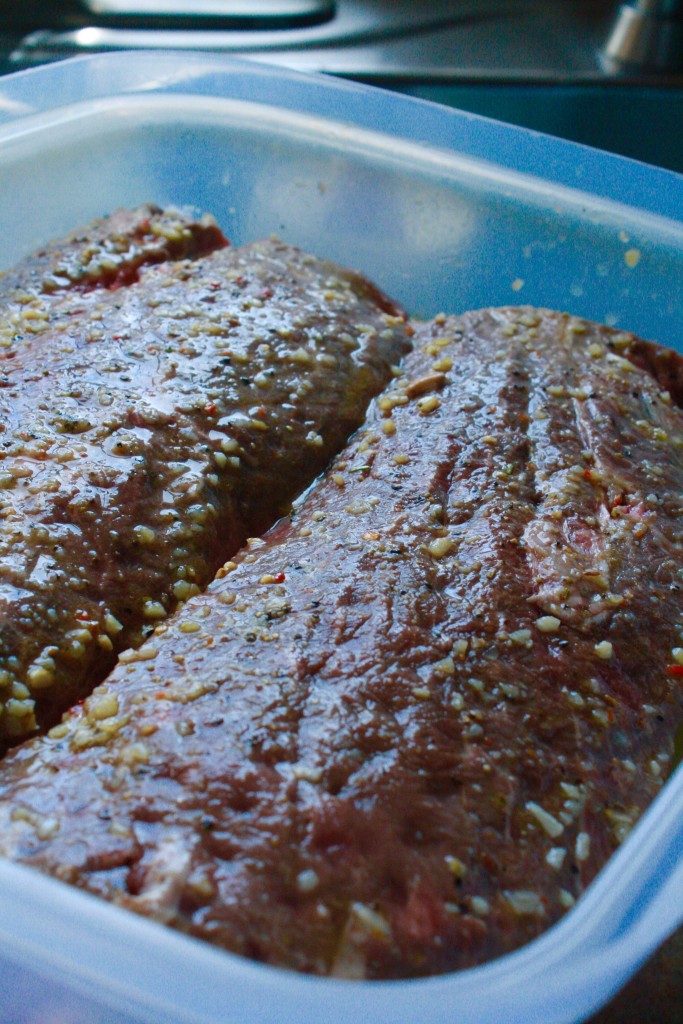
STEP 1: MAKE THE MARINADE AND MARINATE THE STEAK
Combine lime juice, garlic, olive oil, cumin, salt, and pepper in a ziplock bag or glass dish with a tight-fitting lid. Add steak, stir to coat, and refrigerate.
*NOTE: Look for a flat iron steak. This recipe works well with flank or skirt steaks too.
Ask your butcher if you need some guidance.
WHY WE’RE USING THESE INGREDIENTS: The lime juice will make the meat extra-tender. The garlic will add some punch to the marinade but will rinse right off when we’re ready to grill (garlic burns easily).
The oil will help evenly coat the meat and will help disperse fat-soluble seasonings, like the cumin. The cumin is what makes them, fajitas.
Salt and pepper bring out all of the flavors.
STEP 2: COOK THE VEGGIES
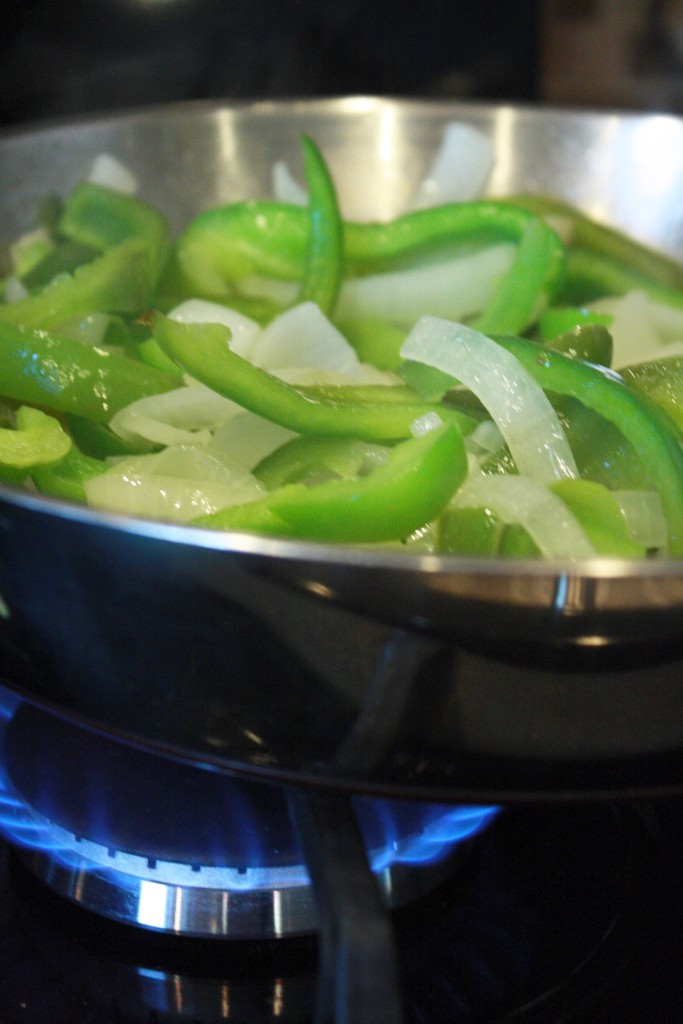
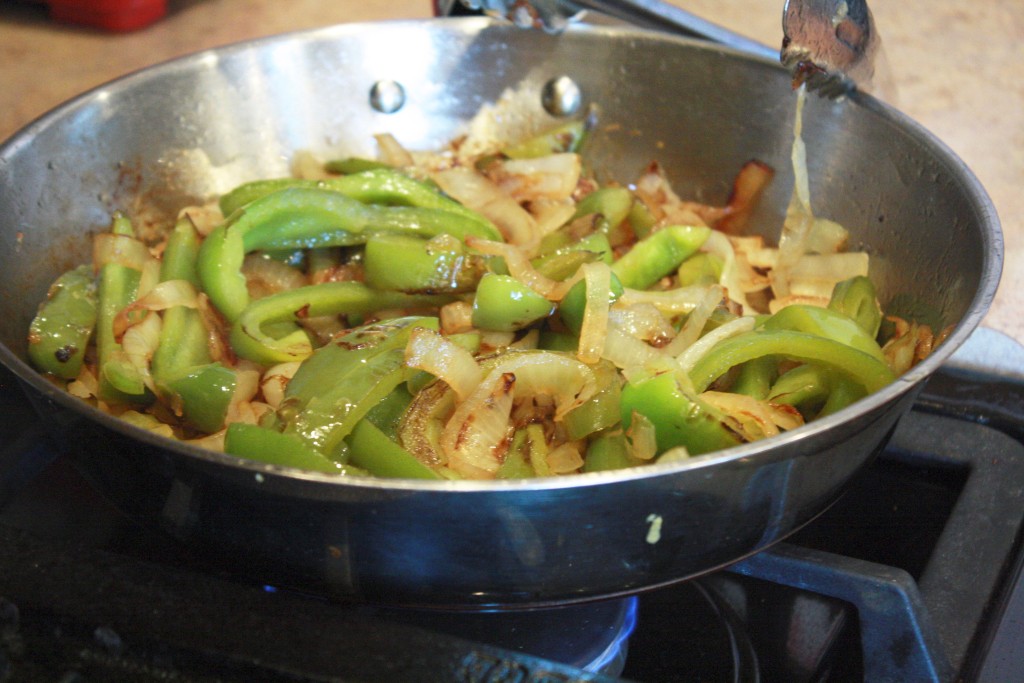
When your steak is close to being ready to come out of its marinade, get those peppers and onions started. In a large skillet over med/low heat, add a Tbsp of olive oil along with sliced peppers/onions and a pinch of sugar.
We want to cook this low and slow to encourage caramelization, so don’t rush it. Give it a stir every couple of minutes.
This should take about 12 to 15 mins, and they’ll be nice and golden, super fragrant/sweet-smelling, and cooked through/soft. Remove from pan and set aside.
WHY WE’RE USING THESE INGREDIENTS: Two green peppers and two onions is the perfect amount of veggies for fajitas. Slow-cooking the peppers and onions will cause them to soften and become sweeter.
We love adding other colors of peppers to fajitas. Red or orange peppers are great options and will make your fajitas sweeter.
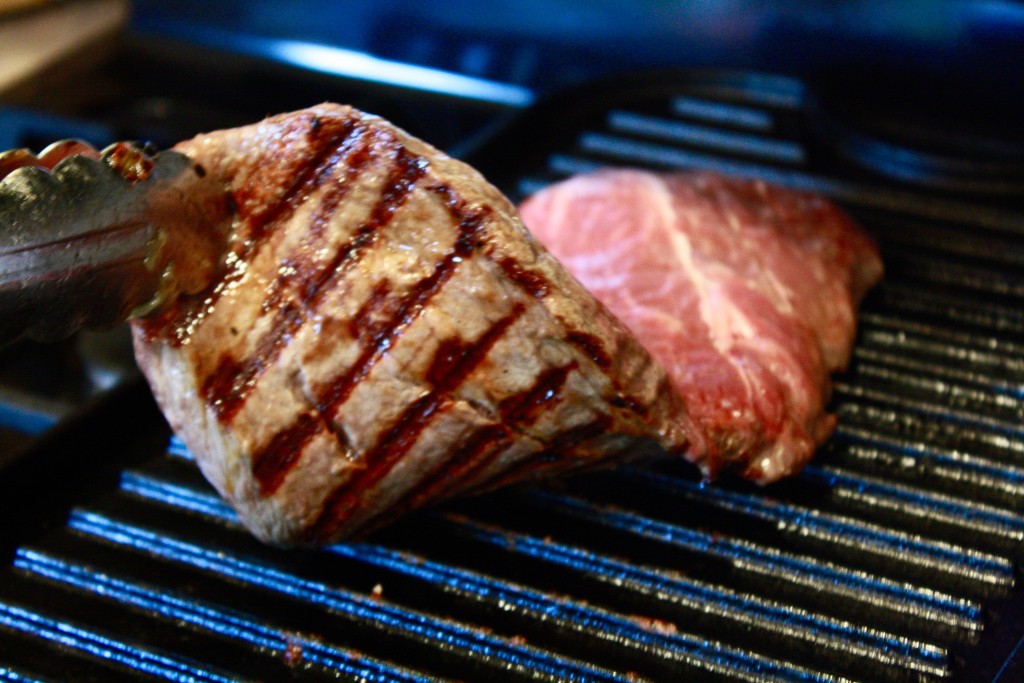
STEP 3: GRILL THE STEAK
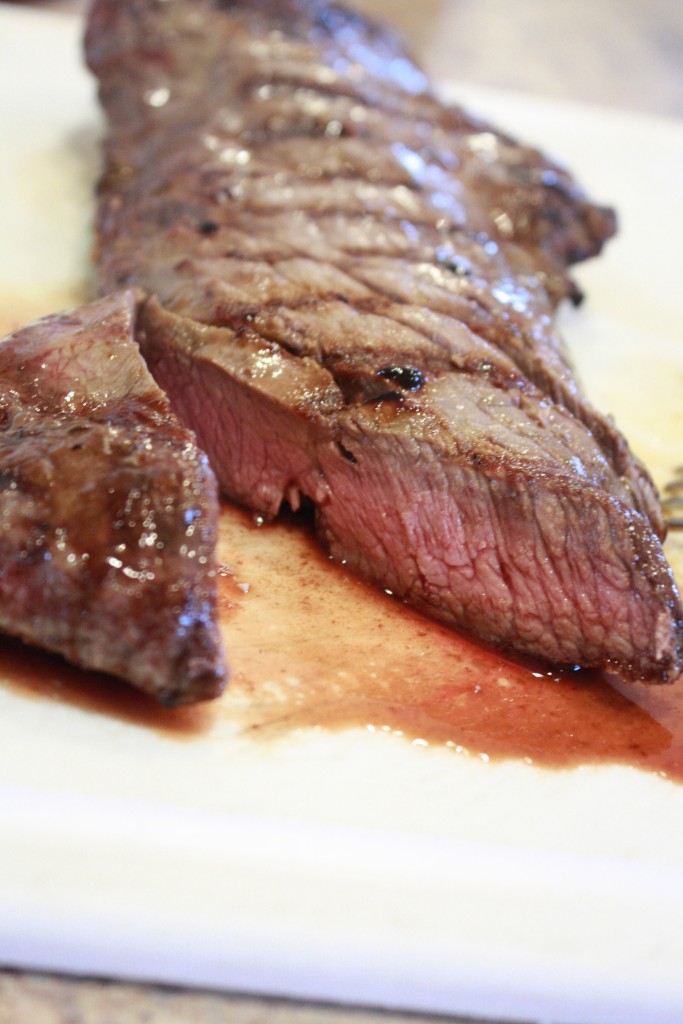
Get out that cast iron grill pan and get it going on high for 2-3 mins until very hot. Place the steak on the grill pan for about 4-5 minutes until deeply colored, and you’ll be able to tell when it’s ready to flip because it’ll release from the pan without tearing/sticking.
Cook another 4-5 minutes for medium. Remove from pan, place on cutting board, and allow to rest for about 5 minutes.
If you cut into it right away it’ll be sad and dry. Trust us and let it rest.
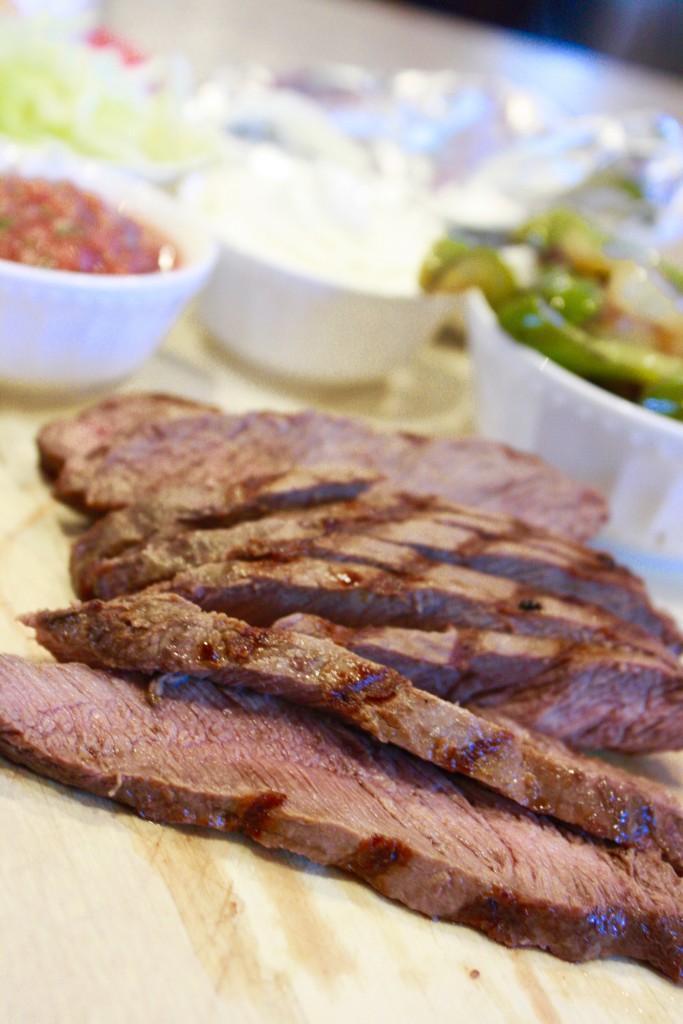
STEP 4: SLICE THE STEAK AGAINST THE GRAIN
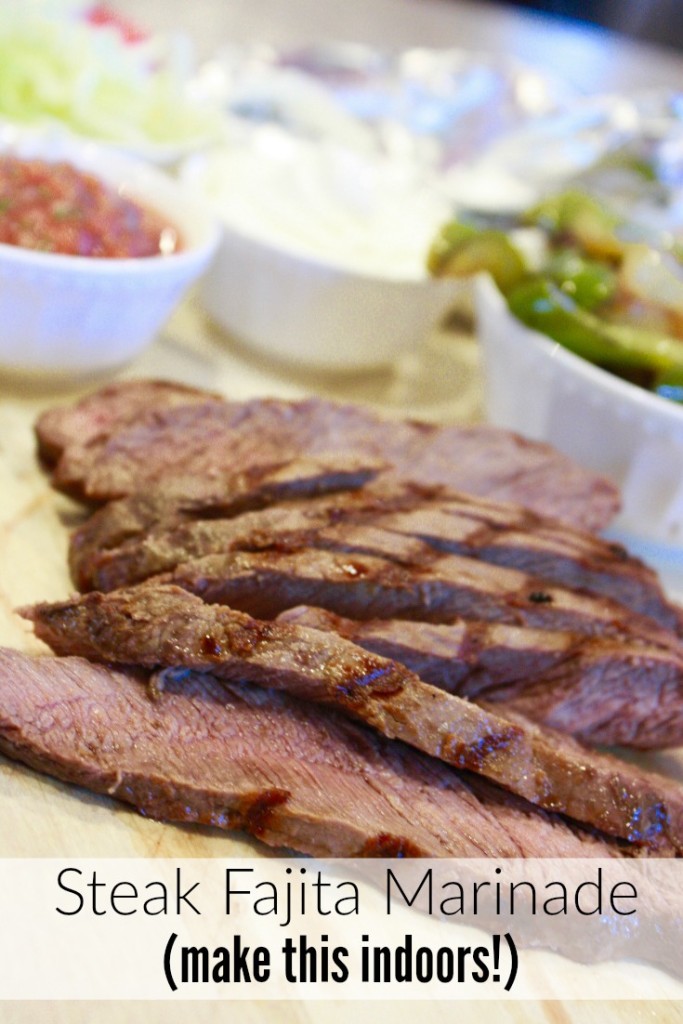
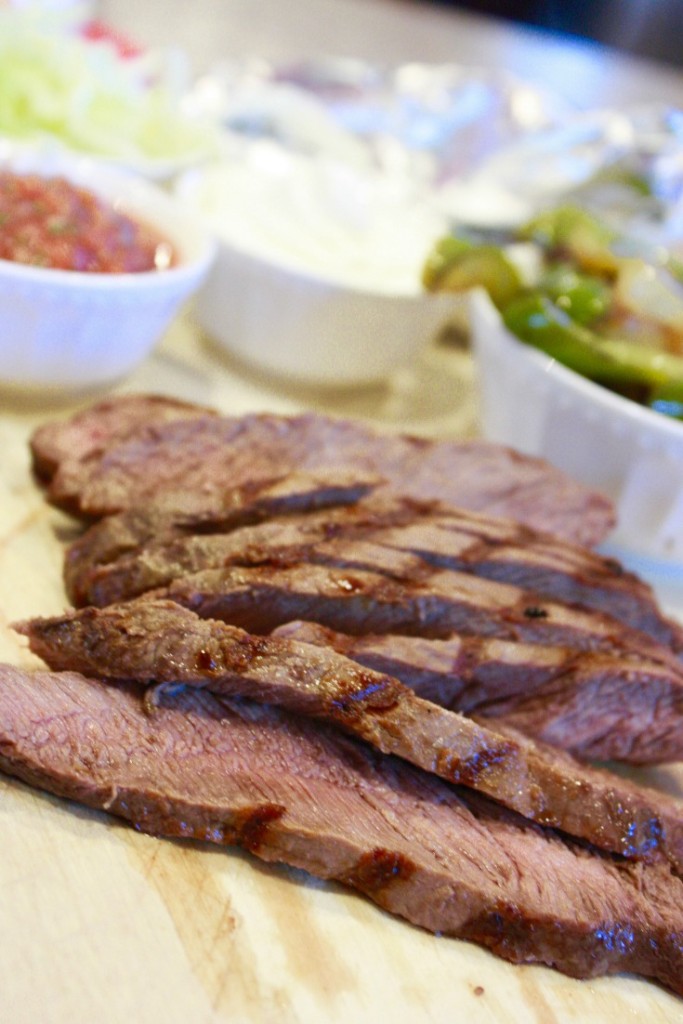
You’ll be able to see little lines in the steak, or the grain. Take your knife and cut perpendicular to the grain, essentially shortening all of them = TENDERNESS.
Cut into 1/4 inch thick slices.
STEP 5: ASSEMBLE AND SERVE
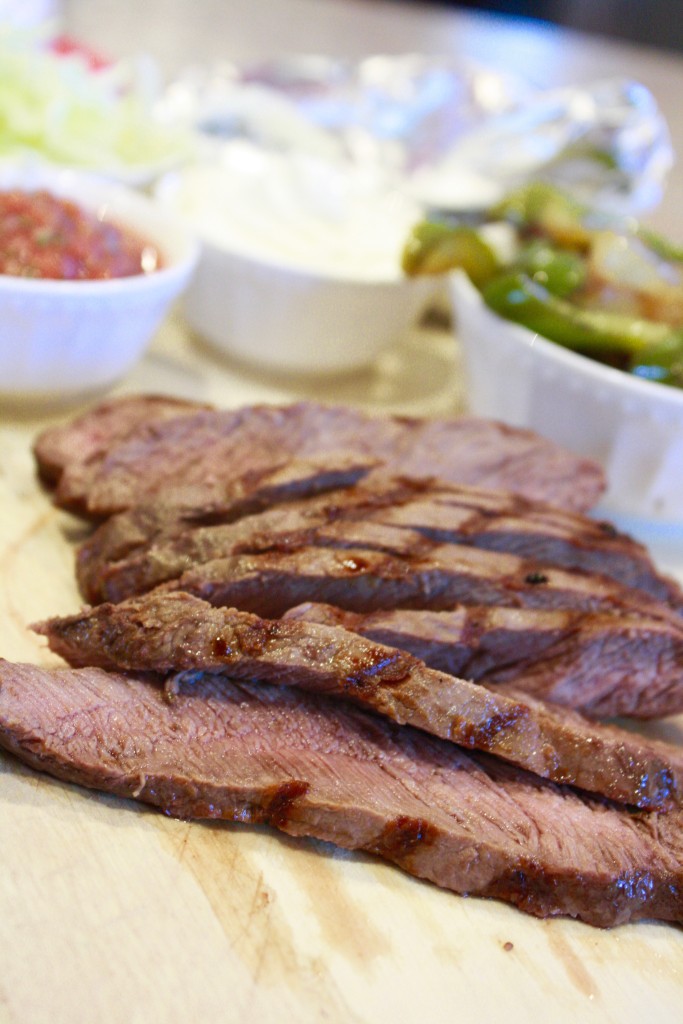
Warm up tortillas either in a skillet, dry with no oil needed, over high heat for about 30 seconds each side, or, microwave method, place in a dampened paper towel and nuke for about 30 seconds. Spoon steak and peppers/onions into tortilla along with any of the above-mentioned toppings you’re feeling.
EQUIPMENT WORTH HAVING
I highly recommend using a grill pan. They can reach a hotter temp then most non-stick pans and hold onto their heat evenly to get a great char on your fajita ingredients.
Plus, you get grill marks.
I love this Lodge Reversible Cast Iron Grill Pan (affiliate link) which can be used on gas and electric stoves and in the oven. It’s super heavy so I’d recommend investing in a set of locking tongs to flip the steaks with.
HELPFUL TIPS
- Resist moving the steak too soon. This will break the sear you’ve worked hard to create and inhibit that delicious crust from forming. Leave them be. Your steaks will unstick when they’re ready to turn.
- Let the steak rest for at least 5 minutes before slicing. This will prevent the juices from running all over your cutting board.
- Always cut against the grain. Cutting in the same direction as the grain, or parallel to the muscle fibers, will result in a chewy steak. To determine where the muscle fibers are, look at the surface of your steak before cooking. Once cooked, slice across those lines.
- Don’t marinate longer than 6 hours. The acid from the lime juice can break down the texture of the meat.
COMMON MISTAKES
- Overcrowding your pan. When it comes to cooking the peppers and onions, leave enough space between veggies for proper browning to occur. If you’re using a lot of peppers and onions, consider investing in a bigger pan or cooking in batches.
UPGRADES
- Try a mixture of red, green, and orange peppers instead of just green. It’ll be prettier and add some sweetness.
- Add 1/2 teaspoon smoked paprika for a little smoky flavor. Especially helpful if you’re not able to make these fajitas outside on the grill.
- Chop up some of that jalapeño and throw it in with the peppers and onions for some heat.
- Char your tortillas by holding them over an open flame or on that grill outside for a few seconds at a time to crisp up the edges.
SERVING IDEAS
- Fajitas are traditionally served with sour cream, guacamole, shredded lettuce, shredded cheese, etc.
- For extra smoky flavor, toast the tortillas right over a gas flame.
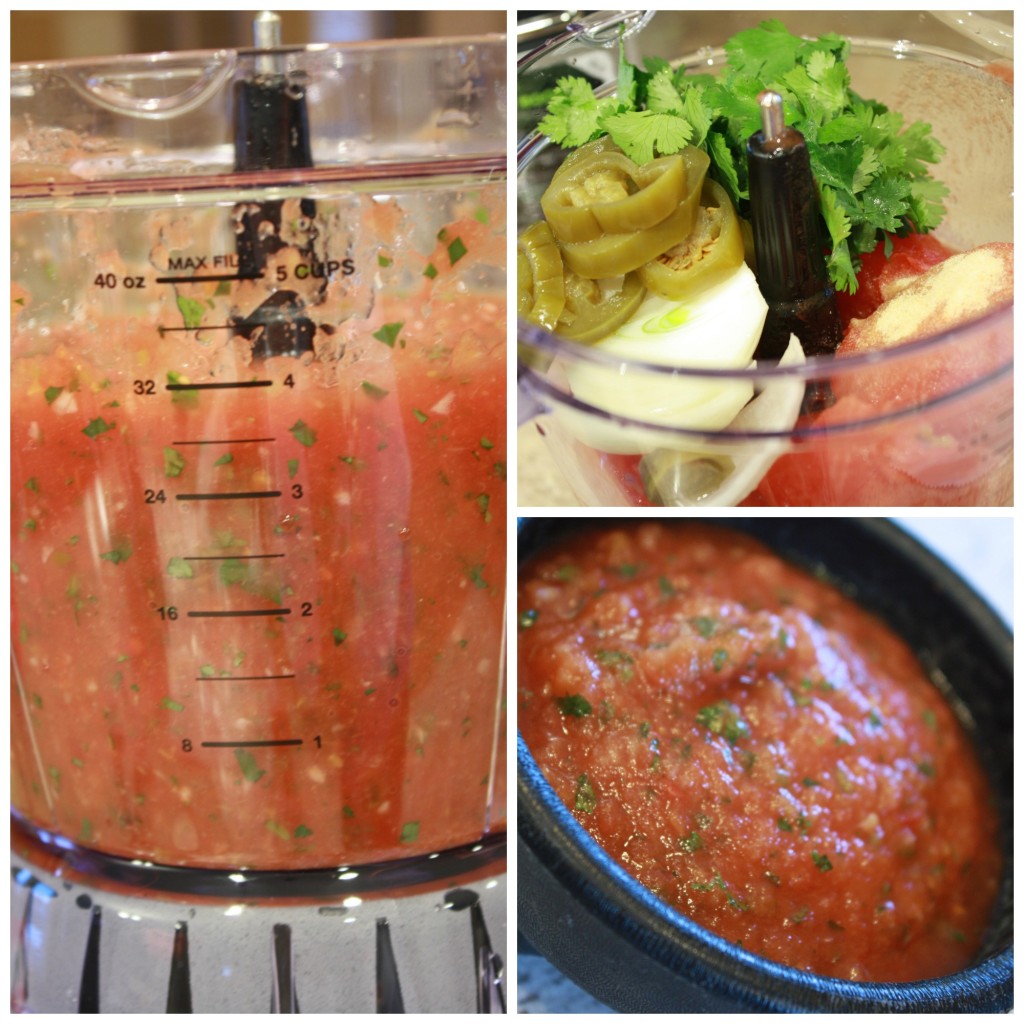
- My quick 10-minute canned tomato salsa is the perfect accompaniment for fajitas.
- Make them into a complete meal with seasoned black beans warmed up with some garlic and cumin, Spanish rice, refried beans, etc.
BEST STEAK FOR FAJITAS
Flat iron is a great cut of steak for fajitas but any cut that’s suitable for grilling will do.
Choosing the correct type of steak is what makes fajitas tender and full of beefy flavor. When I asked my butcher what kind of meat to use, he suggested Flat Iron steak.
It’s very tender, easy to slice and stands up well to high heat. Other good options include Flank steak which has a stronger beefy flavor and stands up well to a long marinade but has a chewier texture and Skirt steak which also has a stronger beefy flavor and is the traditional cut used in fajitas but can turn out chewy and tough if it’s overcooked.
If you’re not sure which cut of meat to use in your recipe, ask your local butcher. Not only will they steer you in the right direction, they’ll let you know what meats are the freshest that day.
STORAGE, MAKE-AHEAD, AND LEFTOVERS
STORING LEFTOVERS
Store steak and vegetables in separate, airtight containers in the refrigerator, where they’ll keep about 3 days. Meat dries out more quickly than veggies.
REHEATING LEFTOVERS
Reheat only as much as you need to eat, and skip the microwave. The rubbery results are not worth the few minutes you save.
Instead, spoon veggies and/or steak into a skillet and cook until rewarmed, about 2-3 minutes. If the steak seems a little on the dry side, add a splash of water or beef broth as it heats up.
MAKE-AHEAD OPTIONS
Mix the marinade up to 3 days ahead and store in a sealed container in the fridge.
Marinate flank steak up to a day ahead, as overnight is perfect, and store in a sealed container in the refrigerator.
If you’re using flat iron steaks, marinate in the morning and they’ll be ready to cook later that day.
WHAT TO DO WITH LEFTOVERS
- Spoon leftover cooked veggies into an omelet or serve them over a baked potato.
- Slice leftover steak super thin and add to breakfast scrambles.
- Make burrito bowls by piling the steak and vegetable combo over rice. You could also add the leftovers to quesadillas.
FREQUENTLY ASKED QUESTIONS
Can I make these fajitas in a regular pan?
Cast iron is highly recommended. The steak has those charred edges when cooked in cast iron that are hard to achieve with a different pan.
That said, if you don’t own a grill pan you can make them in a heavy-bottomed stainless steel pan as long as you get the pan screaming hot before adding the meat. They’re not as good in non-stick pans.
Can I marinate for less than 4-6 hours?
4 to 6 hours is ideal but 2 is doable. Just know that the meat will need a little extra love and a little extra seasoning like an addition of salt or cumin if marinating less than 4-6 hours.
Can I make these fajitas with chicken?
Absolutely. Swap in boneless chicken thighs or breasts and marinate in the same fashion.
Thighs are a little more forgiving and stay juicier over a longer cook, breasts need to be watched carefully and removed as soon as they’re cooked to 165 degrees on an instant-read thermometer because they’ll dry out on a screaming-hot pan if left in too long. Remove and let the breasts rest.
One more fajitas tip from my own experience – add about a tablespoon of sugar to the pan when cooking the peppers and onions. The sugar encourages the veggies to brown, giving them more of that caramelization that reminds me of fajitas from a restaurant.
They’ll be perfectly fine without the addition – they’ll just soften and cook without browning – but adding a little sugar will get those veggies closer to that gorgeous hue with zero impact on the flavor and no added sweetness.
CAN I GRILL THESE OUTSIDE INSTEAD?
Yes! For an extra smoky and charred flavor, fajita steak is another dish that’s easy to grill outside.
Use high/direct heat and follow same directions and marinade as above with the only difference being 4-5 minutes per side, being sure to give your grill a good once-over first to make sure it’s clean and lightly oiled to keep the steak from sticking.
WHAT’S THE BEST WAY TO WARM TORTILLAS?
For the best results, you’ll want to warm tortillas in a dry skillet over medium heat, 30-45 seconds on each side. This will give them a little color and keep them from getting too stiff.
You could also warm them over your gas burner a few seconds on each side – this will char them a bit, which I like. Try not to heat them up in the microwave; the tortillas steam a bit which can leave them feeling tougher.
RELATED RECIPES
- Homemade Canned Tomato Salsa recipe
- Pork Chop and Hashbrown Casserole recipe
- Quick Breakfast Casserole recipe
Steak Fajitas Restaurant Style
Ingredients
- 1 flat iron steak
- 1/2 cup lime juice
- 2 teaspoons minced garlic
- 2 tablespoons olive oil for marinade
- 1 teaspoon ground cumin
- Salt and freshly ground black pepper to taste
- 2 yellow onions sliced
- 2 green bell peppers sliced
- 1 tablespoon sugar
- 1 tablespoon olive oil for vegetables
- Flour tortillas warmed
- Sour cream shredded cheese, guacamole, shredded lettuce, and salsa, for serving
Instructions
- Whisk lime juice, garlic, 2 tablespoons olive oil, cumin, salt, and pepper in a shallow bowl or zip-top bag.
- Add steak, turn to coat, cover, and refrigerate 4 to 6 hours.
- Remove steak from marinade and let it sit at room temperature 15 to 20 minutes before cooking.
- Heat 1 tablespoon olive oil in a large skillet over medium-low heat. Add onions and peppers, sprinkle with sugar, and cook 12 to 15 minutes, stirring occasionally, until soft and lightly caramelized.
- Heat a cast iron grill pan over high heat for 2 to 3 minutes. Pat steak dry with paper towels.
- Cook steak 4 to 5 minutes per side for medium, depending on thickness.
- Transfer steak to a cutting board and rest 5 minutes.
- Slice steak thinly against the grain.
- Serve steak with peppers, onions, warm tortillas, and toppings.