

Slow Cooker Pork Roast
This easy slow cooker pulled pork comes together in just a handful of ingredients. Serve on a bun, in a tortilla or over mashed potatoes.

Why Browning the Roast Changes Everything
This recipe calls for a 3-pound boneless pork roast. Pork shoulder, sometimes called pork butt or Boston butt, is the best cut to use for pulled pork since the fat within the meat keeps it moist during cooking and makes it easy to shred.
I recommend spending five minutes browning the pork on the stovetop. I know, I know.
It’s an extra pan to wash, it’s more time, etc. I’ve made this recipe both ways.
You will get a perfectly fine roast if you skip this step, and it will be tender, but it won’t blow your socks off. Browning gives you some beautifully crisp edges which surprisingly survive the slow-cooking process and adds another dimension of flavor.
Trust me, it is worth it.
The Unusual Braising Liquid and Why Coke and Balsamic Work
The Coke, balsamic vinegar and soy sauce form a delicious braising liquid for the pork. The Coke and balsamic sound unusual, but they’re common braising ingredients.
The Coke helps tenderize the meat and adds a little sweetness along with the soy sauce, and the balsamic cuts through the sweetness of the other two ingredients.
I don’t know why I waited so long to try this recipe. It’s crazy easy and delicious.
My slow cooker does not have a stovetop-safe insert so I do my browning in a skillet, yes, that is an extra pan to clean, but the result is worth it. During the long, slow-cooker process the braising liquid cooks down to a thick, almost saucy consistency.
Serve on a bun, in a taco or over some mashers, and I’m sure there are tons of other uses too. It’s a bit of a project, but it is worth it, plus, unlike other pulled pork recipes you don’t have to stand outside tending to a smoker for 8 hours.
Update: My sister gifted me a Ninja 3-in-1, which lets you brown and slow-cook. That makes searing super-easy since it’s all done in one pot.
Thanks, sis!
Pork loin is also a great option in this recipe. It’s a bit leaner and will dry out quicker, so cook closer to the shorter end of the cooking time.
Bone-in or boneless: Either way works. It’s easier to shred boneless cuts of meat.
If you opt for a cut of meat with bone, just remember to remove the bones before shredding. Oil: Coat your pan with 2 tablespoons of a high smoke point, neutral oil before browning the roast.
I like vegetable or canola. Avocado oil is a great option as well.
Skip the butter. It burns before the roast has a chance to get nice and brown.
Salt and pepper: Be generous with the salt and pepper. Coat all sides of the pork.
The seasoning will pull moisture to the surface of the meat so it browns better in the skillet. Salt and pepper is the only seasoning that comes in contact with the roast itself.
Chicken broth: The pork roasts in a mixture of chicken broth, balsamic vinegar, Coke, soy sauce and honey. The braising liquid keeps the meat from drying out in the slow cooker.
Use low sodium chicken broth (the soy sauce has plenty of salt). Vegetable broth also works.
Balsamic vinegar: The acidity of the vinegar cuts the richness of the braise and stops it from being too sweet. You can’t really reduce the balsamic vinegar amount.
It’ll be a bit too sweet and one-note if you skip it. Buy the run-of-the-mill balsamic you find in the grocery store, and you don’t need anything more expensive for this recipe.
Regular cola: Use one of those old fashioned glass bottles if you’ve got ’em. Diet coke does not work here.
We’re counting on the sugar to create a delicious glaze. Feel free to swap in Pepsi or even root beer for a great taco filling.
Soy sauce: The soy sauce adds a nice savory element to the recipe. Use a low sodium version if you prefer, but it’s not required.
Honey or maple syrup: Honey or maple syrup cuts the edge of the braising liquids. The sugar helps create a glaze as the braising liquid reduces during cooking.
How to Make Slow Cooker Pork Roast
Heat the vegetable oil in a large, heavy skillet until it’s just beginning to shimmer. Meanwhile, salt and pepper the roast all over.
If the roast is too large to fit in your slow cooker, or awkwardly shaped such that it won’t brown well, cut it in half. Add it to the hot oil and leave it alone.
It’s very important that the meat develop a good, even-colored browned crust, and it won’t if you try to turn it too soon. Give it at least ninety seconds, then give it a wiggle.
If it moves freely then it’s ready to turn. Continue turning and browning every minute or two until all sides and ends are evenly browned.

This stage is not about doneness. It’s okay if the meat is still raw in the center, we’re after color.
Transfer the roast to the slow cooker. Meanwhile, whisk together the broth, garlic, balsamic vinegar, Coke, soy sauce and honey.
Pour into the slow cooker until it comes up about half-way up the sides of the roast. Cover and cook eight to ten hours, until fork-tender.

It will go through a stage where it doesn’t appear to be anywhere near done, hang in there, it will magically fall apart with a fork eventually. If it doesn’t easily pull apart, continue to braise an additional thirty to sixty minutes.
When it’s done, transfer to a large cutting board and shred with two forks, discarding large pieces of fat. Spoon fat off the braising liquid and bring to a boil.
In a small bowl, stir together the cornstarch and one tablespoon of cold water. Stir into hot braising liquid and return to simmer, cooking for about one minute until slightly thickened.
Return meat to slow cooker and stir to combine with hot braising liquid. Serve.
Four Ways to Use It That Night
Serve the Slow Cooker Pulled Pork on a bun with some coleslaw on top. Or over creamy mashed potatoes for an outrageous portion.
Spooning some of the cooking liquid over the pork is a great way to add some flavor and moistness when served over rice. Pork tacos are delicious, taking some warmed up tortillas, either corn or flour, and add some diced onions, cilantro and some of the shredded pork.
Give it a squeeze of lime and you’re set. Don’t add any more flavor as the pork itself and all that delicious cooking liquid is more than enough.
How to Keep It Moist Through Reheating
Store the shredded pork in a sealed container in the fridge with the cooking liquid. It will last up to 4 days this way.
When you’re ready to reheat it, transfer to a small saucepan on the stove. Add some of the cooking liquid and reheat on medium-low.
You can also nuke it in the microwave, but I find that reheating it in the stove yields better results. Microwave on 30 sec intervals (cover it!) and give it a stir in between.
You can freeze the pork too with a couple of spoonfuls of cooking liquid for up to 3 months. Make sure it’s defrosted completely by leaving it in the fridge overnight before reheating.
Slow Cooker Pork Roast FAQ
Which cut of pork should I use?
Use a boneless pork shoulder, which is also known as pork butt or Boston butt. Pork shoulder is fatty and stays moist and tender when cooked, and it falls apart much easier than other cuts.
I’ve cooked both pork loin and pork shoulder. The shoulder is much better.
The loin will dry out if you cook it longer than 6-7 hrs.
Do I HAVE to brown the pork?
You can skip the browning step, but it adds another level of flavor to the pork. The edges of the meat get a little smokey which adds complexity.
Sure, browning the meat will take 5 more minutes and it’ll mean one more dish to clean. But it’s worth it.
Otherwise, it’s just another perfectly fine slow cooker pork roast recipe.
Can I make this ahead of time?
Absolutely. It actually tastes better the longer it sits.
Great option for making ahead for a party.
Can I use a different kind of soda?
Yes, Diet Coke, Pepsi, Dr. Pepper, etc.
If using a diet soda, add 1 Tbls honey as regular Coke adds a lot of sugar and helps create the glaze. Root beer would be great too but has its own flavor and is really good in tacos.
Can I make this in my slow cooker on HIGH instead of LOW?
You can, it will take about 4-5 hours. I like it better cooked longer because the strands of meat are more cohesive and tender but if time is a concern, this will cook great on HIGH.
Why is my pulled pork still tough?
Pulled pork can’t really be overdone, more than likely, it just needs a little more time. If you can’t shred it easily with a fork, return it to the slow cooker and cook for 30-60 minutes.
The connective tissues need plenty of time to melt away.
How much liquid is enough?
The original recipe makes about 2 cups of liquid between the broth, balsamic vinegar, Coke, soy sauce, honey, garlic, etc. If you are going to leave this in the slow cooker more than 10 hours and find that it has cooked down and is starting to get a little dry, add about 1/2 cup broth to get it cooking properly.
Most modern day slow cookers compensate for this but it is something to keep in mind if you have an older model.

Other Slow Cooker Dinners That Deserve the Same Treatment
Shredded chuck roast piled high on a hoagie roll, drowned in au jus and topped with cheese… YUM!!
These slow cooker French dip sandwiches are easy to make and absolutely delicious.
Tender sliced beef with sweet peppers and onions and melty provolone cheese piled high on a crusty hoagie roll, you’ll never want a take out Philly cheese steak again.
Slow cooker beef stroganoff recipe, tender beef smothered in a creamy mushroom sauce and spooned over egg noodles. Easy slow cooker beef stroganoff comes together in just one dish and makes a comforting family favorite.
Creamy slow cooker crack chicken smothered in a luscious ranch sauce with bacon and cheese piled high, spooned over pasta. Easy slow cooker crack chicken pasta recipe.
For the juiciest pulled pork, use a cut of pork that has some fat and moisture in it already, such as pork shoulder or pork butt, the same cut used to make country-style ribs. Pork loin is much leaner, so be sure to add some of the braising liquid when shredding the meat and serving it to make sure that the meat does not get too dry.
Store in refrigerator. Leftovers can be frozen for up to 3 months.
Defrost overnight in refrigerator. Serve as sandwiches or with your favorite sides.
When storing or freezing leftovers, pack with plenty of braising liquid to ensure pork is nice and moist when you heat it up again.


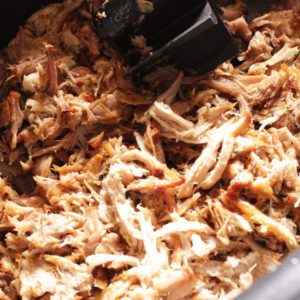
Slow Cooker Pork Roast
Ingredients
- 2 tablespoons vegetable oil
- 1 3- pound boneless pork roast
- Salt and pepper to taste
- 1 cup chicken or vegetable broth
- 1/4 cup balsamic vinegar
- 1/2 cup Coca-Cola
- 1/4 cup soy sauce
- 2 tablespoons honey
- 2 teaspoons minced garlic
Instructions
- Heat vegetable oil in a heavy skillet over high heat. Season pork roast with salt and pepper.
- Brown roast on all sides for 1 to 2 minutes per side.
- Transfer browned roast to the slow cooker.
- Whisk broth, balsamic vinegar, Coca-Cola, soy sauce, honey, and minced garlic together.
- Pour mixture over the roast.
- Cover and cook on Low for 8 to 10 hours, until pork shreds easily with a fork.
- Remove pork to a cutting board and shred, discarding visible fat.
- Skim fat from the cooking liquid. Return pork to the slow cooker with some of the liquid.
- Serve as sandwiches or with your favorite sides.