
Mexican Shrimp Fajitas Recipe (Great Easy Dinner!)
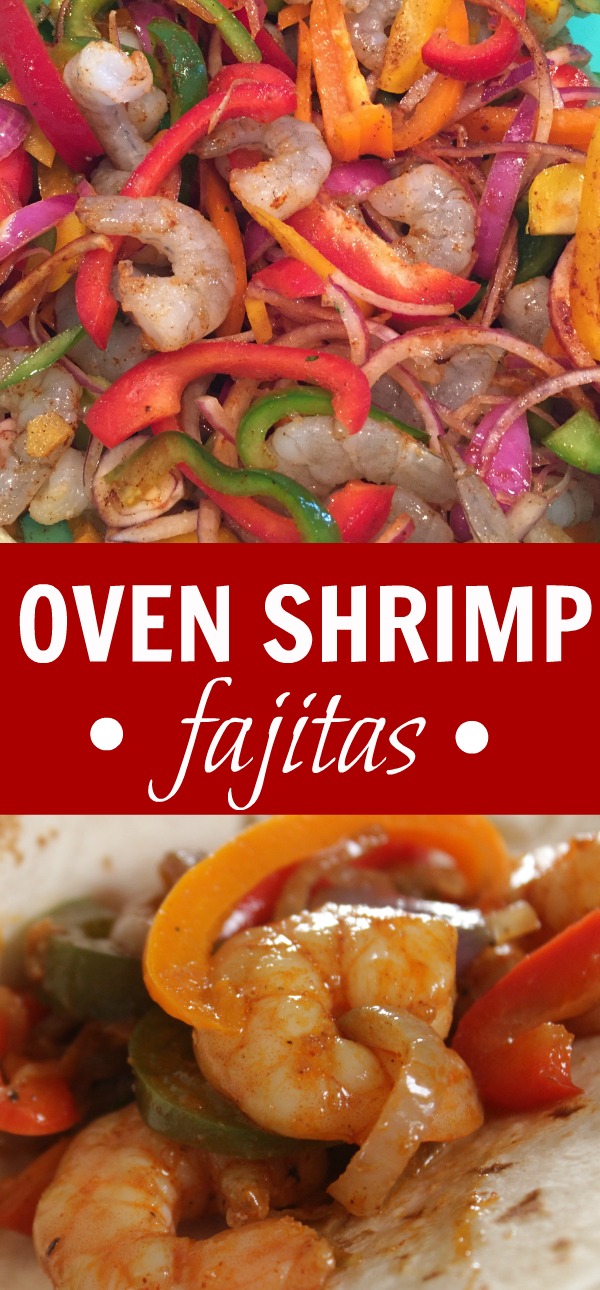
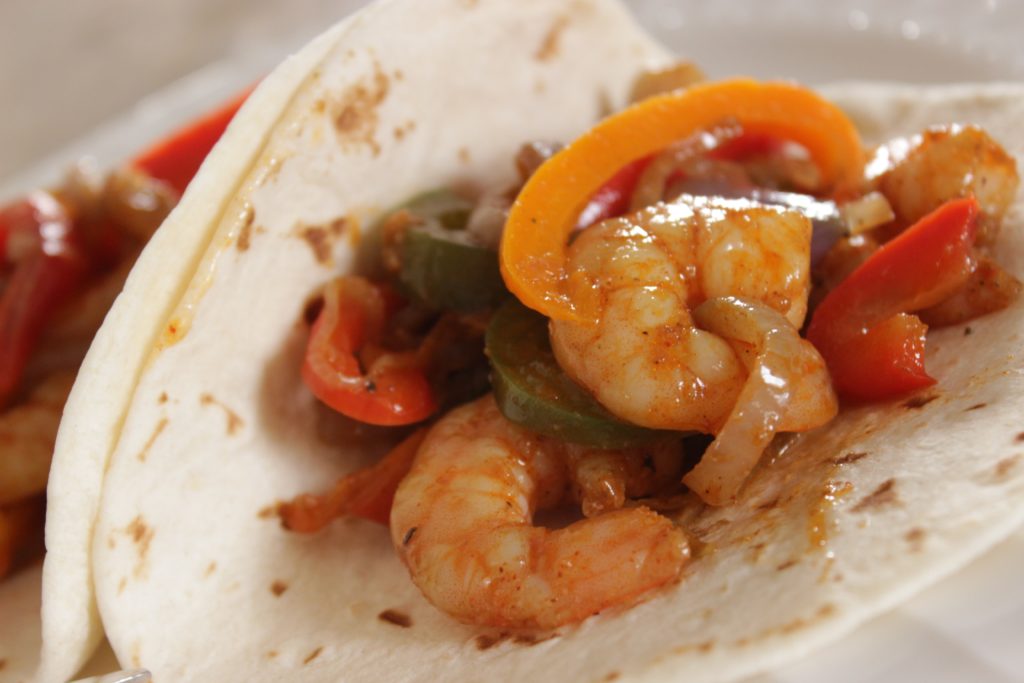
Since we aren’t eating meat during Lent, we are not really going out to restaurants, so shrimp fajitas have become a thing we eat at home on Fridays. They are a pretty good ‘dinner’ even though we are pretty much just eating shrimp fajitas and we aren’t just throwing fish sticks in the oven and surrendering to the Easter season. It’s also really good and the smell while we’re cooking is so nice, and I wish I could take a picture of the shrimp fajitas as they were cooking to show how awesome they look, especially since every time someone is eating at the table I’ve made it, I remember someone asking me for the recipe before they have even finished their first fajita.
What Makes This Recipe Work
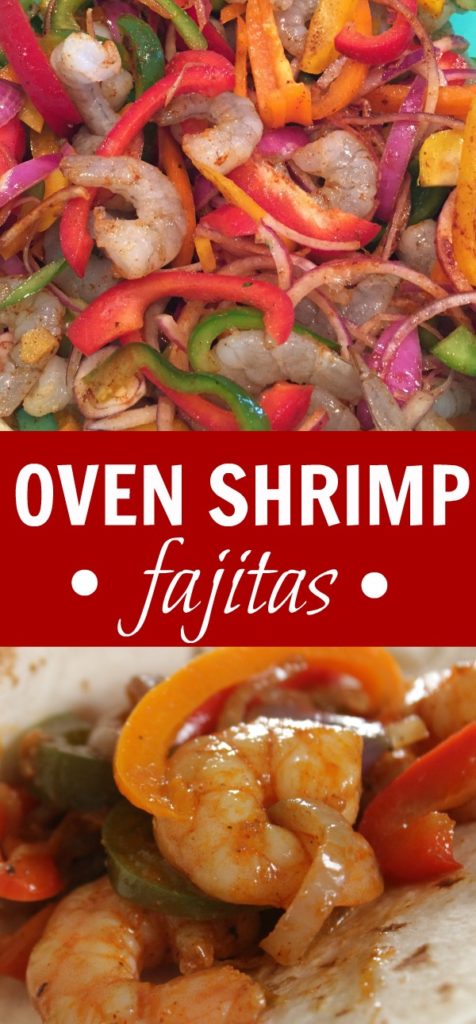
- The marinade does the heavy lifting. Tossing the shrimp and vegetables with olive oil, chili powder, smoked paprika, cumin, and garlic powder and letting everything sit in the fridge for two hours means the flavors sink in before the heat ever touches them. You’re not just seasoning the surface — you’re seasoning the whole thing.
- High heat gives you char without drying out the shrimp. Roasting at 450°F for ten minutes, followed by a quick pass under the broiler, gets you caramelized edges on the peppers and a little color on the shrimp without turning them rubbery. Timing matters, and this method gets it right.
- Four colors of bell pepper aren’t just pretty. Red, yellow, orange, and green peppers each have a slightly different sweetness level. Together they create a more complex base flavor than any single pepper would on its own — and the color on the plate looks like something you’d get at a restaurant.
- Shrimp cooks in minutes, which makes this a genuinely fast dinner. Once your marinade time is done, you’re looking at maybe 15 minutes from oven to table. On a weeknight when everyone is hungry and nobody wants to wait, that matters.
- It scales easily. The recipe as written feeds four adults generously. Double it for a crowd and it still works — just use two baking sheets and rotate them halfway through.
What to Know Before You Start
The most important thing to get right for shrimp fajitas is the shrimp. You want raw, peeled and deveined shrimp — definitely not pre-cooked ones. Pre-cooked shrimp will get rubbery and dry the moment they get into a 450°F oven. If you’re starting from frozen (which is fine — frozen shrimp is often fresher than ‘fresh’ shrimp at the counter), thaw it in a colander under cold running water for 5 minutes. Then, just pat dry with paper towels before the shrimp goes into the marinade. If the shrimp are wet, they’ll steam instead of roast. You want exactly the opposite.
It’s recommended that you plan for two hours of marinade time. I know that sounds like a lot of time to wait for dinner, but it’s 100% hands off time. Just throw everything into a bowl, cover it, stick it into the fridge, and go do something else. The marinade is what’s going to separate these fajitas from just regular shrimp and veggies. If you have extreme time concerns, 30 minutes will work, but you will miss out. I recommend you don’t not go longer than four hours. After four hours, the acid in the marinade will start to change the texture of the shrimp.
A quick note about the broiler step. Each broiler works differently. Some can get scorching hot and result in burning in 90 seconds, while others can take 4 minutes just to get the first color change. Watch the first time you make this so you can get a feel for the pan. Keeping a good eye out, you want the edges of the peppers to darken and the shrimp to get a few light spots of color. When they come out of the oven the smell is a great indicator. If the kitchen smells delicious, like a Mexican restaurant, it means they’re done.
Ingredients
- 2 pounds raw shrimp, peeled and deveined, tails removed
- 1 small red onion, sliced thin
- 1 green bell pepper, sliced thin
- 1 yellow bell pepper, sliced thin
- 1 red bell pepper, sliced thin
- 1 orange bell pepper, sliced thin
- 2 tablespoons extra virgin olive oil
- 1 teaspoon fajita seasoning blend
- 1/2 teaspoon smoked paprika
- 1 teaspoon chili powder
- 1/2 teaspoon garlic powder
- 1/2 teaspoon onion powder
- 1/2 teaspoon ground cumin
- 1 teaspoon sea salt
- 1/4 teaspoon black pepper
- Fresh lime juice, for serving
- Flour or corn tortillas, for serving
- Optional toppings: sour cream, shredded cheese, guacamole, shredded lettuce, salsa
Here are a few notes on the ingredients before you go shopping. For the chili powder, I like to use McCormick chili powder. It is balanced and doesn’t become bitter when using high heat like some blends do. Consistency is extremely important when it comes to using a 450°F oven. It is also important to use a fresh lime for this recipe. Using bottled lime juice does not have the brightness that fresh lime juice has. Without it, the fajitas fall apart. If you use a lot of citrus, a handheld citrus squeezer is a very useful tool to have.
How to Make It
Action 1: Prepare shrimp and vegetables. If your shrimp is frozen, thaw it under cold running water, then dry it with paper towels. This is important! If shrimp is cooked in water, it will STEAM (yuck) instead of roast. Remove the tails if they’re still on. Slice all your bell peppers and red onion into thin strips, approximately the same width (this will help them all cook to the same doneness). Thin slices will get soft, and a little charred at the edges. Thick slices will stay crunchy and will not caramelize not in the same way.
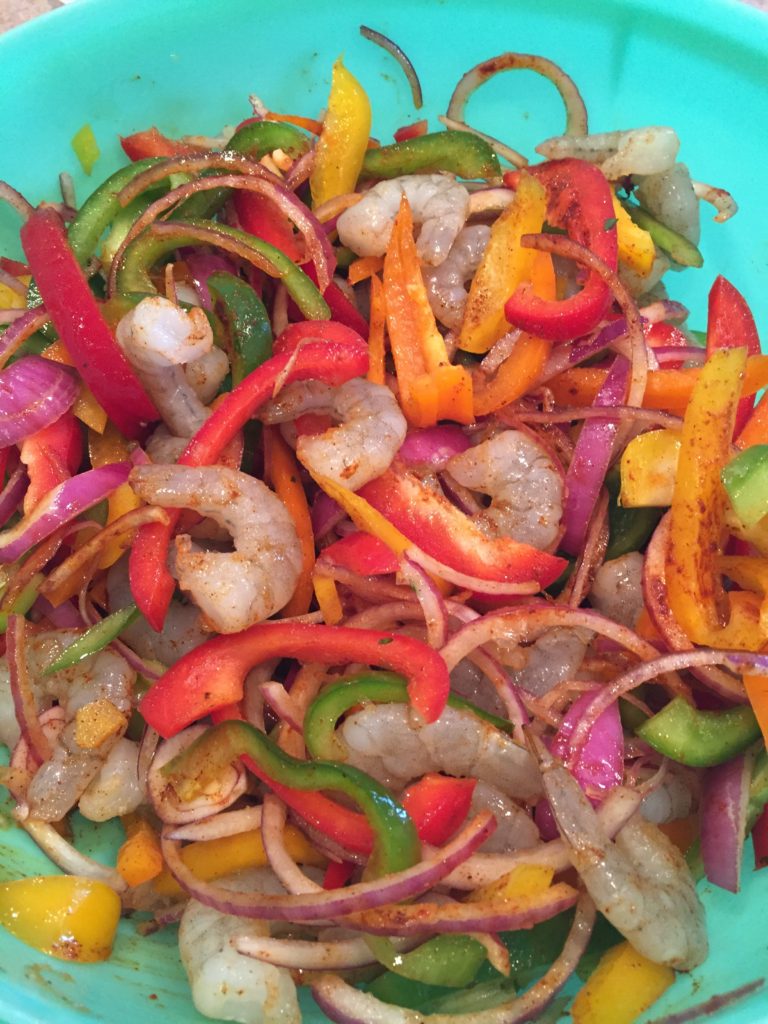
Step 2: Prepare the marinade and coat all the ingredients: In a large bowl, combine the shrimp, peppers, and onions. Then add the olive oil, fajita seasoning, smoked paprika, chili powder, garlic powder, onion powder, cumin, and salt and pepper to taste. Make sure you add enough to coat everything, including the shrimp and veggies. You don’t want to see a lot of seasoning left at the bottom of the bowl. You can do this with your hands or use two big spoons.
Step 3: Put the bowl in the fridge. Cover the bowl with a plate or plastic wrap, and refrigerate for 2 hours. The flavors need time to combine. When you pull the bowl out, the bottom of the bowl will most likely be colored by the spices, and the shrimp will look different — that’s the marinade doing its job. Before spreading it all onto the baking sheet, give it another toss.
Step 4: Prep your baking sheets and preheat your oven. Set your oven to 450°F. Be sure to let it fully preheat as this step should not be rushed. An oven will give roasted veggies. If it’s cold, and you let it warm up, you will only steam the veggies. Give the cooking sheets a spray. A cast iron is a great tool to use for part of the shrimp as well. It will hold heat much better than a sheet pan and give you a little more of a char to the peppers and onions without steaming them. Going the sheet pan way is better for larger batches.
Step 5: Spread the mixture out in a single layer. This is the step people skip and then complain about soggy fajitas. Don’t stack the shrimp and veggies. Spread everything out so every single piece of shrimp and each vegetable has contact with the pan. If it looks a little too crowded, go ahead and use that second baking sheet. When pans are crowded, they trap steam. When pans are more spread out, they create caramelization. This makes a really big difference in the texture.
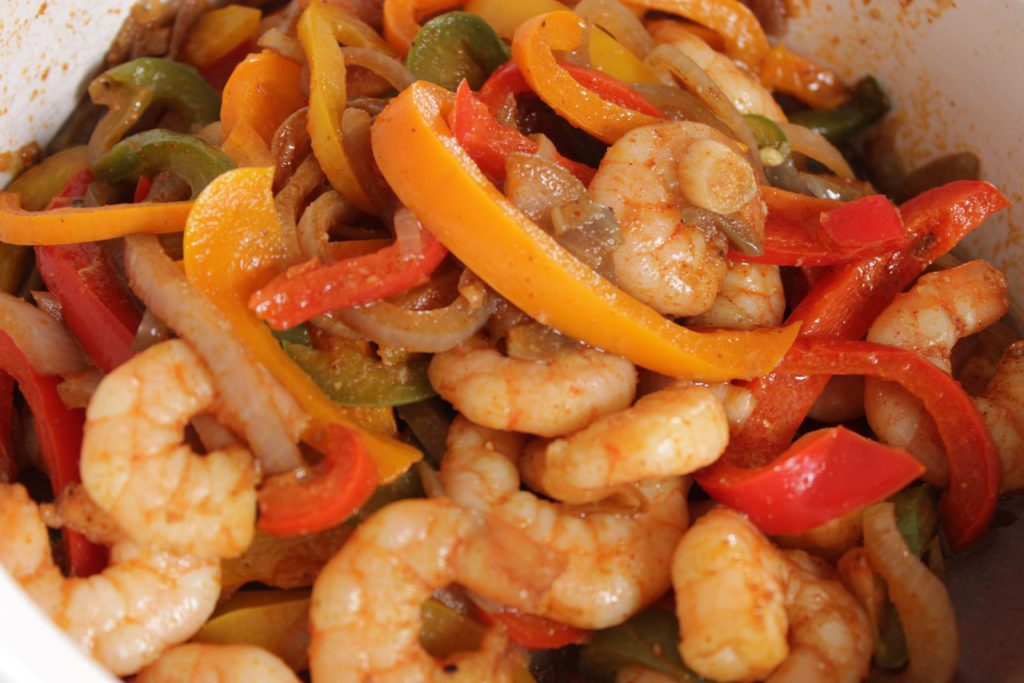
Step 6: Set your oven to 450 degrees F, and roast the dish for 10 minutes. Set a timer for 10 minutes. When the timer goes off, the shrimp should have turned pink, and arched, the peppers should have gone soft, and your kitchen should promote the dish. Don’t walk away. When cooking shrimp on a grill, in a very short time, you can go from done to overdone in less than 2 minutes.
Step 7: To add some color to your food, broil it for 2 to 4 minutes. If your broiler is weak, you can switch the oven to broil and move the pans up one rack. You should keep a close eye on the food. You want a little of the shrimp to be caramelized and for the edges of the peppers to be dark, but don’t let it get blackened. As soon as you see good color on the food, remove the pans. This is an optional step, but it can elevate your meal from good to genuinely impressive.
Step 8: Serve Hot. As soon as you take the pan out of the oven, make sure to squeeze some fresh lime juice over it. The warmth of the pan will help release the oils in the lime juice, making it more fragrant. This is a way to create a more authentic citrusy flavor, and you won’t be able to replicate it otherwise. Provide the warm tortillas and toppings so that everyone can make their own. The standard toppings are sour cream, guacamole, shredded cheese and small pieces of lettuce. A spoonful of chunky salsa is also a great addition.
Helpful Tips
- Don’t skip the marinade time. Thirty minutes is the minimum, two hours is ideal, and anything over four hours starts to affect the texture of the shrimp. Set a timer and use that time to prep your toppings and warm your tortillas.
- Dry your shrimp before it goes in the bowl. Pat shrimp dry with paper towels after thawing. Excess moisture steams the shrimp and vegetables instead of roasting them, and you end up with a much less flavorful result. This one step makes a noticeable difference.
- Thin slices on the vegetables. Thick-cut peppers and onions won’t soften fully in 10 minutes at high heat. Aim for slices about 1/4 inch wide — they’ll caramelize at the edges while staying slightly tender in the center, which is exactly what you want in a fajita.
- Warm your tortillas before serving. A cold tortilla makes even the best filling taste less exciting. Wrap flour tortillas in a damp paper towel and microwave for 30 seconds, or toast them directly on a gas burner for 20 seconds per side. The char marks on a tortilla are not just cosmetic.
- Fresh lime juice at the very end. Add it after the pan comes out of the oven, not before. The heat activates the lime and gives you a brighter citrus hit than you’d get if the lime cooked in the oven with everything else.
Storage and Make-Ahead
If you store leftover shrimp fajita filling in an airtight container in your fridge, it will stay good for 72 hours. Just remember to let it cool first. Hot food makes water condensation and everything will end up soggy. Shrimp also reheats best on the skillet over medium heat for 2-3 minutes. A little olive oil in the pan makes it non stick. Avoid the microwave for shrimp as it tends to make it rubbery.
If you want make-ahead prep, first make the marinade, and then let the shrimp and veggies soak overnight in the marinade. THey can’t go past 12 hours. One of the ingredients is an acid which, if shrimp is in it too long, will make it mushy. If you want to avoid this possibility, you can chop the veggies, and store them in a place separate from the shrimp so that when you decide to make it, you can mix them up with the marinade a couple hours before you want to cook.
Once cooked, shrimp fajita filling doesn’t freeze well. Shrimp gets a little gross from thawing and refreezing. If you are looking to freeze part of the recipe, you can freeze the raw, marinated shrimp and veggie mix; just do this before cooking. You can freeze it in a zip-top bag for up to a month. When you’re ready to use it, thaw it in your fridge overnight, then cook it as instructed. The taste will be the same; you just need to plan in advance.
Frequently Asked Questions
Can I use pre-cooked shrimp?
While I suppose you could say that cooking the shrimp adds a level of convenience to the dish, it presents a number of unique issues. For one, cooking shrimp in the oven for ten minutes at 450 degrees will result in dry and rubbery shrimp since they have already been cooked. If pre cooked shrimp is your only option, throw them on the pan last 3 minutes of cooking and ditch the broiling step. The shrimp will absorb some of the marinade from the shrimp and the shrimp will be softer and less satisfying than the texture of raw shrimp that gets roasted from scratch. It is not that much more work to cook raw shrimp.
What size shrimp should I use?
Extra-large (26-30 count per pound) or large (21-25 count) are best for fajitas. Smaller shrimp can get overcooked by a hot oven as they are too fast to cook. This can happen before the vegetables get the nice coloring they need. Larger shrimp also give you a little more margin for error. They look better in the tortillas too. You don’t want shrimp that you can’t see or taste in each bite. You want these full-sized shrimp, not tiny little curled ones that disappear into the peppers.
Can I make these on the stovetop instead of the oven?
You can also achieve great results by using a cast iron skillet on the stovetop since it allows for better heat control. Start by cooking the peppers and onions on medium-high heat for 4-5 minutes. Cook them until they are softened and beginning to caramelize, then push the veggies aside and add in the shrimp. You are going to want to cook the shrimp on each side for 2-3 minutes. Make sure not to overcrowd the skillet; if you’re cooking a full batch for four people, do the shrimp in two separate rounds rather than all at once.
Do I have to use all four colors of bell pepper?
No, a four-color combination is not a requirement, simply a suggestion for added flavor complexity and variety. Fajitas will still be amazing even if you only have red and green. True, green peppers are a little more bitter and less sweet than red, yellow, and orange, so if you are using only one color, red is the most versatile. Whatever color combination you decide to go with, slice them thin and try to keep the total volume approximately the same as a the recipe calls for.
How do I know when the shrimp is done?
Shrimp should be cooked until it is firm, fully pink, and opaque all over, and has the appearance of being curled into a loose C shape. If your shrimp is curled all the way and looks like a tight O shape, it has been overcooked. Overcooked shrimp may still be edible, but the texture can be rubbery which may not be very appealing. For large shrimp, 10 minutes should be just about perfect when cooked at 450 degrees. The broiler can add nice color to the shrimp, but be sure to watch it to not overcook it. Remove the shrimp from the oven when shrimp just turn pink and the edges of the peppers begin to darken.
Can I make this without the fajita seasoning blend?
Sure, the spices in the recipe individually (chili powder, smoked paprika, cumin, garlic powder, onion powder) are the strongest in flavor. Fajita seasoning blends offer more complexity and a little salt. If you don’t have it, just add another pinch of cumin and a touch more chili powder. Before putting the marinade on the shrimp, taste and adjust the marinade. The seasoning should taste very bold and a bit salty, since it will be added to a pound of shrimp and lots of vegetables.
Related Recipes
- Crockpot Shredded Chicken Tacos — slow cooker chicken that’s just as easy for a weeknight taco night
- Corn and Black Bean Salsa with Avocado — the perfect topping or side for any fajita night
- Layered Taco Dip — a party-ready dip that disappears faster than anything else on the table
Mexican Shrimp Fajitas
Ingredients
- 2 pounds raw shrimp peeled and deveined, tails removed
- 1 small red onion sliced thin
- 1 green bell pepper sliced thin
- 1 yellow bell pepper sliced thin
- 1 red bell pepper sliced thin
- 1 orange bell pepper sliced thin
- 2 tablespoons extra virgin olive oil
- 1 teaspoon fajita seasoning blend
- 1/2 teaspoon smoked paprika
- 1 teaspoon chili powder
- 1/2 teaspoon garlic powder
- 1/2 teaspoon onion powder
- 1/2 teaspoon ground cumin
- 1 teaspoon sea salt
- 1/4 teaspoon black pepper
- Flour tortillas and fresh lime for serving
Instructions
- Thaw shrimp if frozen, remove tails, and pat very dry with paper towels.
- Slice peppers and red onion into thin strips.
- In a large bowl, combine shrimp, peppers, onion, olive oil, fajita seasoning, smoked paprika, chili powder, garlic powder, onion powder, cumin, salt, and pepper. Toss until evenly coated.
- Cover and refrigerate for 2 hours. Toss once more before cooking.
- Preheat oven to 450°F and spray two large baking sheets with cooking spray.
- Spread shrimp and vegetables in even layers on the baking sheets.
- Bake for 10 minutes.
- Broil on low for 2 to 4 minutes, watching closely, until shrimp and vegetables are lightly browned. Serve with tortillas and fresh lime.