
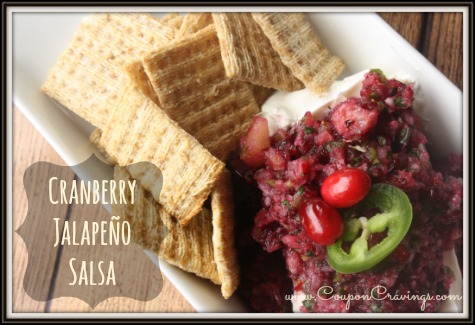
Cranberry Jalapeño Salsa Recipe
I’m sure you’ll be shocked to learn that this salsa tastes awesome. Cranberries + pineapple + jalapeño + cream cheese = the best of worlds.
This cranberry jalapeño salsa recipe was one of the first I created here back in 2014 and has never once been updated. It is one of those recipes that’s too good to mess with.
Cranberry Jalapeño Salsa Recipe
Hands-on time for this recipe takes just 5 minutes in your food processor, and it’s such a winner at parties and potlucks, it’s worth every last one of those 5. It’s so easy, too.
All you do is throw everything into a food processor and pulse. That’s it.
Then you’ll want to chill the salsa before serving over a mound of cream cheese.
I think it’s important to make sure that everyone understands the salsa is served OVER cream cheese and not mixed with it. Some people do better with instructions like that.
What Goes Into Cranberry Jalapeño Salsa
- Cranberries: This recipe calls for 8 ounces of fresh cranberries. Frozen will work, too. Just make sure they’re thawed and patted dry before adding them to the food processor. Otherwise, it may come out runnier than anticipated. Cranberries lend a bit of tartness.
- Green pepper: You’ll use one green pepper. I find that the green pepper provides a nice “background” crunch.
- Jalapeño peppers: Use two or three jalapeño peppers. This amount of jalapeño yields a salsa with a “noticeable” kick. Leave the seeds in the peppers for a HOTTER salsa.
- White onion: Use one small white onion for this recipe. White onions have a bit of a bite, so if you prefer a mellow onion flavor, opt for a sweet yellow onion instead.
- Cilantro: About 1/2 bunch of cilantro adds brightness to the salsa. Not a fan of cilantro? Use flat-leaf parsley instead.
- Crushed pineapple: The can of crushed pineapple helps balance out the tartness of the cranberries. Fresh pineapple would make the salsa a little too crunchy. Crushed canned pineapple is the way to go for the perfect jamminess.
- Sugar: The cranberries are balanced out by 2/3 cup sugar. Feel free to reduce the sugar to 1/2 cup, but I wouldn’t go below that amount or the tartness will be unpleasantly strong. You can also substitute honey for the sugar, too.
- Salt: Don’t leave out the salt. It helps round out all of the flavors.
- Cream cheese: One to two blocks of cream cheese will be needed for serving. Soften at room temperature before spreading on plates for guests to pile on some salsa. Use full-fat cream cheese for the best results.
How to Make Cranberry Jalapeño Salsa
Prep all of your veggies. Remove the seeds from the green and jalapeño peppers.
Quarter them. Remove the stems from the cilantro.
Quarter the onion.
Add the cranberries, green pepper, jalapeño pepper, white onion, cilantro, crushed pineapple (drained), sugar, and salt to a large food processor fitted with a blade.
Pulse 5-6 times until ingredients are chopped, being careful to not over-process into a purée. Taste for seasoning.
You may add more salt if desired. Chill in a covered container before serving.
To serve, pile room temperature softened cream cheese on a plate. Serve with cranberry jalapeño salsa alongside for piling on top.
Enjoy!
I love this recipe because it looks like you slaved over it but it’s really the opposite. This recipe comes together in little more than 10 minutes (hands-on time), which will include scooping the salsa into a container.
It’s a recipe I’ll be making again this holiday season.
More Recipes You’ll Love.
Step 4: Chill for at least 30 minutes
Transfer the salsa to a bowl or other container with a lid and refrigerate for at least 30 minutes to one hour before serving, though overnight is even better, see below for more on this.
Step 5: Spoon over cream cheese and serve
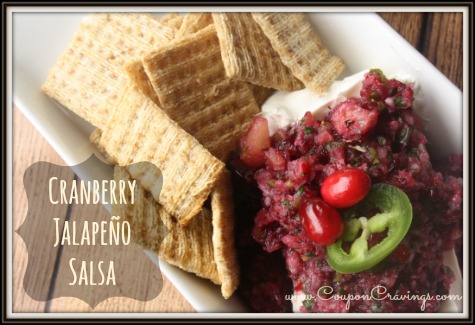
Take out as many blocks of cream cheese as you’ll need, which is two for this recipe, and leave them out while you’re getting everything else ready for serving, just to take the chill off them a bit. Spoon or pour the cranberry salsa over the cream cheese and serve with crackers.
Why the Chill Time Actually Matters
When this recipe was created, I was dying to take a taste of how it turned out. After blending, I cleaned the blade and tasted a spoonful.
It was decent. Then, I resisted my cravings and let the salsa sit for about twenty minutes before tasting again.
Better, but something was still missing. Overnight, the salsa tasted even better than before.
This recipe benefits from resting. At first, the sugar is still crunchy , the cranberry and pineapple notes are prominent, the jalapeño spice is strong, the cilantro flavor shouts.
After chilling in the fridge, all of the flavors come together and compliment each other. The heat from the jalapeño mellows out and is more consistent throughout the salsa instead of hot little surprise areas.
Overall, it tastes smoother and much better then it would have if I would have gobbled it up without restraint.
Tips for Spiciness
This salsa falls on the milder end of spicy as written and is noticeably tamer if chilled before serving, but it’s easy to tailor it to your tastes. For a milder salsa , leave out the jalapeño and serve it on the side for those who’d like to add it to the salsa themselves.
For extra-hot salsa, use three jalapeños and leave the seeds in at least one, as that is where most of the heat lives. A bright red-orange serrano pepper, in place of one of the jalapeños, amps the heat AND the brightness.
Cracker suggestions: Any mildly-flavored cracker goes well with this recipe. Try water crackers, Ritz or Club.
Avoid overly-flavored crackers, such as rosemary or garlic, or ones that are too hard to eat.
Swaps That Work and One That Does Not
No fresh cilantro on hand? Sub an equal amount of flat-leaf parsley or leave it out altogether.
DO NOT substitute dried cilantro – it’s much too strong for this recipe.
Mango makes a great swap for pineapple here too. Use 3/4 cup diced fresh or frozen mango.
The salsa will be a tad chunkier using mango.
How Long It Keeps and Why November Is the Time to Make a Double Batch
This recipe makes enough salsa to top a mound of cream cheese and then some. Stored separately from the cream cheese and in a lidded container in the fridge, salsa will keep for up to 4 days.
NOTE: Spoon salsa over cream cheese just prior to eating – salsa left on top of cream cheese for hours will turn it into a soggy mess.
With all of the parties and potlucks coming up, November is the perfect month to make a double-batch of this recipe. To store, keep salsa, not on top of cream cheese, in a lidded container in the refrigerator for up to about four days.
If you’re planning ahead, now’s the time to make a double batch and freeze half of it. Spoon or spread it out into a quart-size plastic freezer bag, press the air out and seal it; it’ll thaw easier if it’s flattened.
Defrost overnight in the refrigerator. Use within two months for best results.
You can’t freeze cream cheese, so purchase two additional eight-ounce blocks of cream cheese when you’re making your holiday food purchases.
A couple of other points:
- Be conservative with pulsing the food processor; you’re going for a coarse chop. If it turns to soup, there’s nothing you can do.
- If you’re using frozen cranberries, no need to defrost first. They’ll soften up in the food processor just fine.
- Use fresh lime juice. Bitter, cloudy, sad-looking bottled lime juice just doesn’t taste as good.
- If you add avocado, you’d be getting those healthy fats into your diet. But this recipe is much easier to freeze without avocado than with it.
Cranberry Jalapeño Salsa Questions
Can I make this salsa ahead of time? YES!
This salsa tastes better on day 2 and 3 as the flavors have had more time to meld together and the sugar has more time to dissolve. It stays fresh for about 3-4 days, though it starts getting watery/broken spots on day 4 for me.
Can I use frozen cranberries? You can, but fresh ones will have a much better texture/color.
There’s no change in flavor, just texture/color. Frozen cranberries tend to release more liquid so be sure to give them a good pat-down with paper towels to get as much excess liquid off them as you can.
How spicy is this salsa? It’s pretty mild as written, but you can definitely up the heat by adding more jalapeños or leaving the seeds in the jalapeños you’re using.
What if I don’t have a food processor? You can hand-chop all of the ingredients, but it’ll take about 20 minutes instead of just a couple.
How long should I chill the salsa? It tastes good immediately, but I prefer to give it time to chill for at least 30 minutes.
An hour or even overnight is ideal.
More Appetizers That Disappear Fast
- Buffalo Chicken Dip
- Jalapeño Popper Dip with a genius panko topping
This Cranberry Jalapeño Salsa is a holiday classic. The perfect mix of spicy, sweet, tangy and savory.
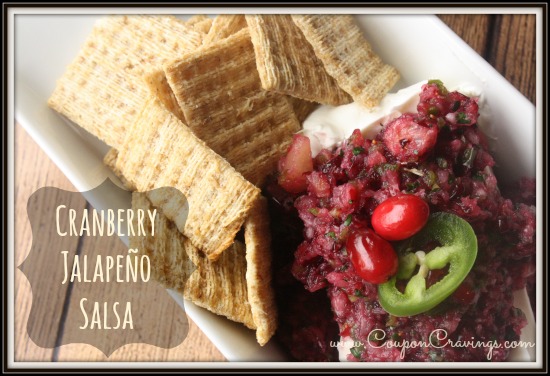
Serve as an appetizer by spooning it over a block of cream cheese.
Cranberry Jalapeno Salsa
Equipment
- Food processor
Ingredients
Ingredients
- 8 ounces cranberries fresh or frozen, thawed if frozen
- 1 green bell pepper seeds removed
- 2-3 jalapenos seeds and ribs removed for mild heat
- 1/2 bunch fresh cilantro stems removed
- 1 small white onion
- 1 8-ounce can crushed pineapple lightly drained
- 2/3 cup sugar
- 1 teaspoon salt
- 1-2 8-ounce blocks cream cheese softened, for serving
- crackers for serving
Instructions
Instructions
- Remove the seeds and ribs from the bell pepper and jalapenos. Quarter the onion and remove the thick cilantro stems.
- Add the cranberries, bell pepper, jalapenos, cilantro, onion, drained pineapple, sugar, and salt to a food processor.
- Pulse 5 to 6 times, then check the texture. Continue pulsing only until the salsa is chunky and finely chopped, not pureed.
- Transfer to a bowl, cover, and refrigerate for at least 30 minutes. An hour or overnight is even better.
- Place softened cream cheese on a serving plate and spoon the cranberry jalapeno salsa over the top. Serve with crackers.