
Before lemon-scented sprays for cleaning existed, our grandmothers used real lemons to clean. Why? Because lemons get the job done, and the science backs it up. Scientific studies show how effective citric acid is at cutting grease, and dissolving hard-water buildup and even deodorizing. It can lift stains, and is a powerful cleaning agent, and it smells good. Better than the smell of a chemical factory and better than many sprays, cleaning with lemon is effective and economical.
I have a bowl of lemons that I tell myself is for cooking, but half of them end up cleaning something. Between 2 teens, a husband who reheats fish in the microwave and walks away, and Gigi the goldendoodle bringing in who knows what from outside, I get a lot of use from them! One quick caution before we start: lemon is acidic, so keep it off natural stone like granite and marble, and rinse anything delicate. Here are 30 things to clean with lemon that earn it a spot way beyond the cutting board.
1. Steam-Clean the Microwave
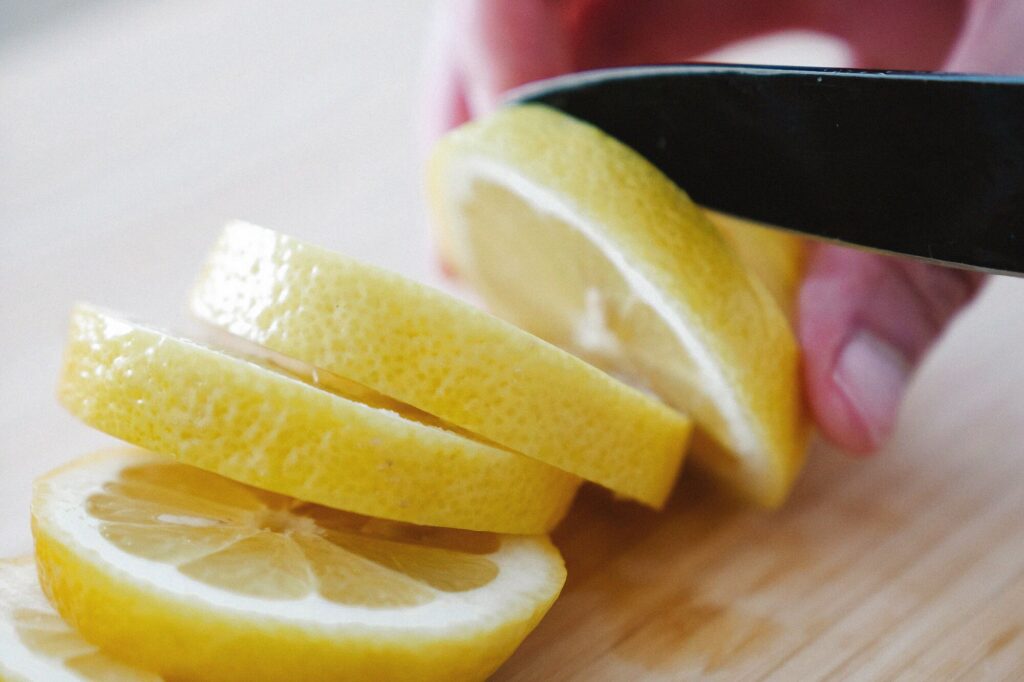
Slice a lemon in half, squeeze the juice into a bowl of water, and add the lemon rinds. Then microwave the bowl for three minutes. The steam from the microwaved lemon loosens splatters, making the whole inside of the microwave easy to wipe clean.
My husband warms up fish and pretends to be shocked that the microwave smells like a fishing dock. This is the hack to reset it, and it’s so simple that even I can’t convince myself not to do it.
2. Freshen and Clean the Oven
Here’s how to get rid of light oven grime: squeeze the juice out of lemon halves and place them in an oven-safe dish with water. Then put it in the oven for a bit to loosen the grime and get rid of the smell. Once it’s cooled, wipe any residue away.
I put off cleaning the oven like some people put off going to the dentist. While it won’t take the place of a deep clean on a catastrophe, it keeps everything under control without me having to hold my breath from the fumes.
3. Shine Tarnished Brass and Copper
Slice a lemon in half and dip the exposed fruit in salt. Then use the lemon to rub the tarnished brass or copper. The acids in the lemon along with the abrasion from the salt will remove the tarnish and restore the shine! After that, just rinse and dry buff.
This is the best trick on this list and it actually works. I tried it on an old copper-bottom pot that I was ready to give up on and the before and after looked so good, I texted the photos to my mom.
4. Deodorize the Garbage Disposal
Run the disposal while dropping in some lemon peels and a few ice cubes. The ice will help scrub the blades, and the lemongrass oil will help keep everything smelling fresh!
I get a weird, bad smell out of our disposal by putting lemon peels down there. I get a weird sense of accomplishment when I do it.
5. Restore Cloudy Headlights
You will want to take a lemon half, dip it in some baking soda, and then rub it on foggy and yellow headlights. Rinse it off and you’re done! This helps to chemically break down the haze from oxidation. As a result, you will be able to see more clearly at night when driving!
My husband thinks the best way to maintain a vehicle is to let the problems correct themselves. One afternoon I did this to our foggy headlights. I mostly did it to show him it would work, but it did – and I have not let him live it down.

6. Sanitize and Deodorize Cutting Boards
Sprinkling a cutting board with salt and scrubbing it with a half lemon, is a great way to get out stains and help with odors such as garlic and onion. Once you scrub the board, let it sit for a couple of minutes and then rinse it. This method works for both plastic and wood cutting boards.
My chopping boards absorb the odors of everything I chop, especially garlic. To reset them, I use a lemon-and-salt scrub, which saves me a lot of money compared to the constant buying of new boards.
7. Remove Hard Water Stains and Limescale
To remove chalky hard-water buildup from your faucets and fixtures, cut a lemon in half and rub it over the affected areas. Let it sit for a few minutes and then wipe it off. The citric acid will dissolve the mineral deposits.
Water leaves a chalky film on all of my belongings that used to take me forever to clean. This is more my style.
8. Descale the Kettle and Coffee Maker
To clean the limescale in your coffee maker, run lemon juice and water or boil lemon slices in your kettle and pour the mixture into the water chamber. After, make sure to rinse with plain fresh water.
I had no idea my kettle was so crusty on the inside. A lemon descale did the trick, and now my coffee in the morning doesn’t have a hint of minerals.
9. Clean and Shine the Sink
To remove greasy stains, water stains, and smells, rinse and dry your stainless or porcelain sinks after scrubbing them with a sliced lemon. This will leave them shining and smelling great.
Scrubbing the sink with lemon at the end of the day makes me feel like I’m resetting the kitchen, even when it’s still a mess.
10. Brighten Dingy Whites
To naturally whiten whites without harmful chemicals, add lemon juice to your laundry, or soak your dingy items in lemon water and dry them in the sun. The lemon juice combined with the sun acts as a natural bleach.
I will take any win that I can get with those two in the house. I will even use my grandma’s tricks to make my teenage kids do their laundry. It works for their grayed-out white socks
11. Remove Stains from Plastic Containers
Wash your plastic containers that have orange stains with lemon juice. It will help eliminate odors and break down the stain.
Or at least I thought every container that held spaghetti sauce would be forever doomed to have their memories etched in. Good news though. Lemon takes most of it out. Which prevents my good containers from having to be demoted to a sad life in the garage.
12. Streak-Free Glass and Mirrors
For a simple glass cleaner that breaks down the film on your windows and will leave them crystal clear after drying, combine lemon juice and water in a spray bottle. To avoid streaks, wipe down the glass with a lint-free cloth.
Three people get ready all at once, which means our mirrors are getting abused. The lemon-water spray gets things streak free and the fresh kitchen smell is better than the harsh ammonia smell.
13. Polish Chrome Fixtures
When you want to remove streaks and shine your chrome faucets and fixtures, use a dry cloth and rub a cut lemon against them. It will also cut water spots, which can make chrome look very dull.
A faucet that shines can leave a feeling of satisfaction and it only takes two minutes to complete. This job also makes the bathroom feel cleaner as a whole, and sometimes it really doesn’t deserve to be that clean.
14. Scrub Away Rust Spots
Create a mixture using salt and lemon juice and use the solution on metal or fabric rust spots. Leave it on for a while before scrubbing and rinsing it off. The acid in the lemon juice breaks down the rust so it easily lifts away.
I discovered a rust ring where a can had been set on a metal shelf, and the lemon and salt took it right off. It feels a bit like a magic trick, every time the rust just disappears.
15. Clean a Greasy Cheese Grater
Before washing, rub a cheese grater with one half of a lemon to dissolve the congealed bits and grease. The lemon goes where sponges can’t reach.
When doing the dishes, I don’t look forward to washing the grater. Once cheese gets stuck in all the holes it becomes impossible to clean, and the only thing that makes the chore slightly more tolerable is perhaps using a lemon.
16. Remove Tea and Coffee Stains from Mugs
To remove tannin stains, use lemon juice or lemon-infused water to soak the stains. The brown rings on mugs or teapots will scrub off, and the mug will look new when rinsed.
I used to have a favorite coffee mug that had a line of brown stain, which I accepted as a part of its charm. I Lemon’d it, and now I’m a little mad I didn’t do it sooner.
17. Deodorize the Refrigerator
Place a halved lemon (or a container of lemon juice) in the refrigerator and it will absorb and neutralize odors. To keep the fridge smelling fresh, change the lemon every week or two.
Sometimes I notice the smell of something rotting in the back of the fridge. I use a lemon to help me find the problem.
18. Clean and Freshen the Trash Can
After cleaning the trash can, fight odors by wiping it out with lemon juice or placing some lemon peels at the bottom. Let the can dry before putting in a new trash bag.
The unpleasant odor in the kitchen cannot be covered by new trash bags. Unlike the scented candle that I used to light in the corner, Lemon actually addressed the source of the smell.
19. Loosen Sticker and Label Residue
Apply some lemon juice or a small amount of lemon oil to the gummy label residue, allow it to penetrate for a while, and wipe it off. The residue is removed because the citrus oils dissolve the glue.
I save jars for that pantry organization project that I promise I will get to, but those stick labels drive me crazy. Lemon finally lets me reuse jars without the sticky reminder.
20. Run a Lemon Through the Dishwasher
To help cut grease and deodorize the dishwasher, place a cup of lemon juice on the top rack and run a hot cycle. It’s great at freshening up the thing that’s supposed to do the cleaning!
I never thought dishwashers could get gross until my dishwasher started getting a musty smell. A lemon cycle took care of it and now I do it every now and then out of guilt.
21. Make a Natural All-Purpose Cleaner
For a citrus-scented all-purpose spray, soak lemon peels in white vinegar for a week or two. After straining, dilute it with water. It cuts grease and grime on almost all sealed surfaces, but avoid natural stone.
I enjoy this clever, old-fashioned trick, especially since it gives me a reason to use peels that I’d normally throw away. It even makes the vinegar smell almost nice, which is quite the accomplishment!
22. Remove Limescale from the Showerhead
Eliminate mineral buildup and restore water flow with a soak. Harsh descalers are not needed; simply rub a halved lemon over the crusty showerhead and soak to dissolve the buildup.
Our showerhead had become more of a dribble than a spray. But Lemon cleared the buildup and restored the pressure brought back the pressure which felt like a small luxury for fifty cents.
23. Clean Reusable Water Bottles and Thermoses
Fill your old bottles and thermoses with warm water and lemon juice, let it sit for a while, then scrub and rinse. It helps get rid of any stagnant water and other build up inside.
My kids’ water bottles get stinky, and if I guessed, I’d say that it’s because they’ve never been washed. I squeeze a lemon into the bottle, and for some reason, that makes them acceptable to me again before I finally give up and buy new ones.
24. Lift Soap Scum in the Tub and Shower
The acid in a lemon will cut through the soap scum and build-up on tub and shower surfaces, and it will leave the area smelling good too. Simply rub a halved lemon on the surface and let it sit for a few minutes to work, then scrub and rinse.
The kids’ tub gets a ring around it like they bathe in mud! A little lemon juice and some patience, and I don’t have to scrub for half an hour. My back appreciates that.
25. Clean Grout with Baking Soda
Mix lemon juice and baking soda; it becomes a paste. Spread the paste on dingy grout lines; let it sit; scrub it with an old toothbrush, rinse it off. It brightens grout – natural stone tiles, this is because the acid will etch.
I thought the color of the grout in my kitchen was just gray so I never noticed it before. This paste has restored my grout to its original color, and it is these little victories that make my day.
26. Shine Stainless Steel Appliances
To remove fingerprints and smudges from stainless steel, apply a little lemon juice to a cloth. Then, wipe in the direction of the grain, and buff it to a shine. The lemon juice removes the oily prints and cleans the surface without leaving streaks.
My husband opens the fridge about four hundred times a day. He also leaves fingerprints each time he does it. Instead of nagging him, I find that a quick lemon wipe is more effective and more efficient.
27. Remove Food and Berry Stains from Hands
Applying lemon juice on your hands can also help remove stains caused by berries, beets, or chopping. Lemon juice may also help to remove remaining food odors from your hands such as garlic and onion. You can rinse your hands with cool water after your finish.
This summer, I hulled strawberries, and now the skin on my hands looks like I committed a crime. The stains from citrus will come out, and my family appreciates that it takes the garlic smell away before dinner.
28. Deodorize and Clean the Blender
Partially fill the blender with warm water, a slice of lemon, and a squirt of dish soap. Blend for a few seconds to clean the blades and reduce odors. Be sure to rinse it out after.
My blender retains odors from everything, especially garlic. I found that blending lemon resets the smell, plus it cleans the blades without me having to reach in and touch anything.
29. Cut Grease on the Stovetop
To remove tough grease stains, take half a lemon and rub it on the grease stains on your stovetop and wait for a minute. The lemon’s acidity will help dissolve some grease. If there is still stubborn grease, try spreading some baking soda on it first before using a lemon.
I try to ignore the grease film on the stove, but I know it is there. I am more likely to clean it once I know I can use lemon to break it down since I won’t have to deal with the disgusting smell of a degreaser.
30. Freshen Floors with a Lemon Scent
For sealed tiles, vinyl, or linoleum, adding some lemon juice to your mop water will help cut the grime and help leave a fresh and natural smell. However, avoid using this method for unsealed wood and natural stone, because they may not like the water and acid.
I think I have it all together when I mop my floors and the kitchen smells fresh as a result of lemon in the mop water. The floors, of course, must endure muddy paws as well as snacks dropped all over the place.
Lemon’s cleaning properties have made it a staple in our grandmother’s kitchen. It is affordable, natural, and an effective grease, build-up, and odor remover. Cleaning with lemon is more effective than using a cabinet full of one-use cleaning spray, as one lemon can replace three different cleaning spray bottles.
Let’s start with the microwave and the brass. Those two will likely win you over like the microwave trick won me over the first time I skipped the scrubbing. Just keep acid away from the natural stone and have a few extra lemons because you’ll be surprised one is the answer to “what do I clean this with?” one too many times.
Common Questions About Cleaning With Lemon
What should you not clean with lemon?
Keep lemon juice off natural stone like marble and granite, hardwood floors, and brass-plated items, since the citric acid can etch, dull, or damage those surfaces. Rinse anything delicate, and avoid using it where the acid could discolor a finish.
Are there any downsides to cleaning with lemon?
Lemon is great for cutting grease, lifting stains, and deodorizing, but it is not a true disinfectant, so it will not replace a sanitizer for killing germs. The acid can also damage natural stone, wood, and some metals, and it can lighten fabrics in sunlight, so use it where those effects are wanted.
How do you clean a microwave with a lemon?
Halve a lemon, squeeze it into a microwave-safe bowl of water, drop the rinds in, and microwave for about three minutes until it boils. Let it sit a couple of minutes so the lemon steam loosens the splatters, then wipe the inside clean with a cloth.
Is lemon or vinegar better for cleaning?
Both are acidic and cut grease and mineral buildup. Lemon smells fresher and is nice for deodorizing, shining metal, and light jobs, while plain white vinegar is cheaper and stronger for heavy limescale and descaling. Many people keep both and reach for whichever fits the task.
Can you make an all-purpose cleaner with lemon?
Yes. Steep leftover lemon peels in white vinegar in a sealed jar for one to three weeks, then strain and mix the citrus-infused vinegar with an equal part of water in a spray bottle. It cuts grease and grime on most sealed surfaces, but keep it off natural stone.