
The average American household has a bottle of rubbing alcohol tucked away in their bathroom cabinets, likely behind the cotton balls and only to be pulled out when a family member gets a scratch. However, the household trick of cleaning with rubbing alcohol is worth rediscovering. That same inexpensive bottle disinfects, cleans, and dries streak-free on a shocking number of things. With its 70% isopropyl alcohol, it is strong enough to disinfect but weak enough to use everyday.
Keeping a bottle in the kitchen has become a necessity for self-defense reasons. Between two teenagers whose phone screens look like they’ve been finger-painted, a husband who’s guilty of smudging every other stainless steel surface, and Gigi the goldendoodle who presses her nose to the patio door like it’s her job, I reach for it pretty often. A quick note before we start: 70% isopropyl is what you want, it’s flammable so keep it away from open flame, and you’ll want to crack a window and spot-test anything delicate. Here are 30 things to clean with rubbing alcohol that earn it a spot way beyond the first-aid shelf.
1. Phones, Tablets, and Touchscreens
To clean screens on phones and tablets, take a microfiber cloth and lightly dampen it with 70 percent rubbing alcohol. Do not soak it, but just use the alcohol as a dampening agent, and use it to wipe the screens to cut through fingerprints, facial oils and various types of germs. Rubbing alcohol evaporates quickly and also leaves no residue. That is why it is the most frequently used cleaner for even the most dirty tech devices in your home.
I can’t tell you how many times I’ve cleaned the screens of my teenagers’ phones and wondered what the excess residue and grime was. I’ve stopped asking, and I’ve been told that the smudges go in the realm of science projects. Bad dead skin, food, germs, and gross stuff are often find smears on screens. They are different every week. Nasty.
2. Streak-Free Glass and Mirrors
Rubbing alcohol is great for cleaning mirrors and glasses because it dries quickly and there is no chance for streaks. It also cuts through hairspray and toothpaste residue.
Our bathroom mirror is getting scratched and hazed up by the daily activities of three people. When we clean it with rubbing alcohol, we can actually see through it instead of just moving the haze, which is what we get using regular glass cleaners.
3. Windows Without the Streaks
To make a fast-drying, streak-free window cleaner, combine rubbing alcohol and water in a spray bottle. Simply spray it on your window and use a lint-free cloth or some newspaper to wipe it off. The alcohol will cause the cleaner to evaporate quickly to help with the streak-free finish.
Every spring, I used to battle with my patio doors and lose. That all changed when I figured this trick out. Now, with Gigi considering the patio doors her personal nose art canvas, they stay clean for a few days before she defaces them again.
4. Disinfect High-Touch Surfaces
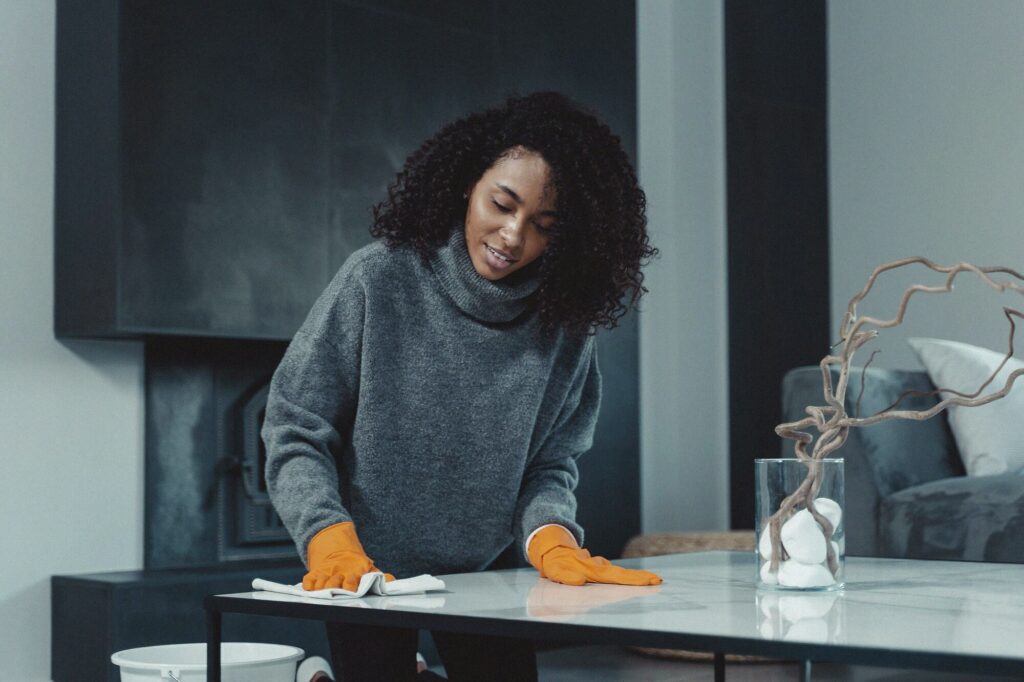
70% rubbing alcohol is effective at killing germs on contact, and it dries without leaving a sticky residue. Wipe down the doorknobs, light switches, cabinet handles, and remote controls.
Handling germs and freezing temperatures during the cold season can be troublesome, especially when a teenager comes home with a cold and spreads it throughout the house. I take extreme caution when it comes to handles and switches and I wipe them all down. It gives me the sense that I am doing something to fight the spread of germs, even if it’s not very effective at all.
5. Game Controllers and Keyboards
To clean sticky buttons on devices, use rubbing alcohol on a cotton swab and insert it into the seams of game controllers or between keyboard keys to remove grime. Make sure to power the device off first and go lightly, allowing it to dry fully before turning it back on.
My son’s gaming controller reached a point of stickiness where I found it alarming. I used a cotton swab and some rubbing alcohol and put in about ten minutes of work. It was an impressive recovery and he was genuinely impressed, which is an almost never happens scenario.
6. Makeup Brushes and Sponges
To disinfect clean your brushes in between deep washes, lightly spray your brushes with rubbing alcohol. Then, on a clean paper towel, swirl your brush until you see that color no longer transfers onto the paper towel. It is an effective way to eliminate ND disinfect the oils and bacteria that accumulate in the bristles.
It seems my daughter’s brushes are cleaned in intervals that are far too long for comfort. Here’s a little tip for a quick sanitization that is great when you don’t have time for a full soak and dry production.
7. Eyeglasses and Sunglasses
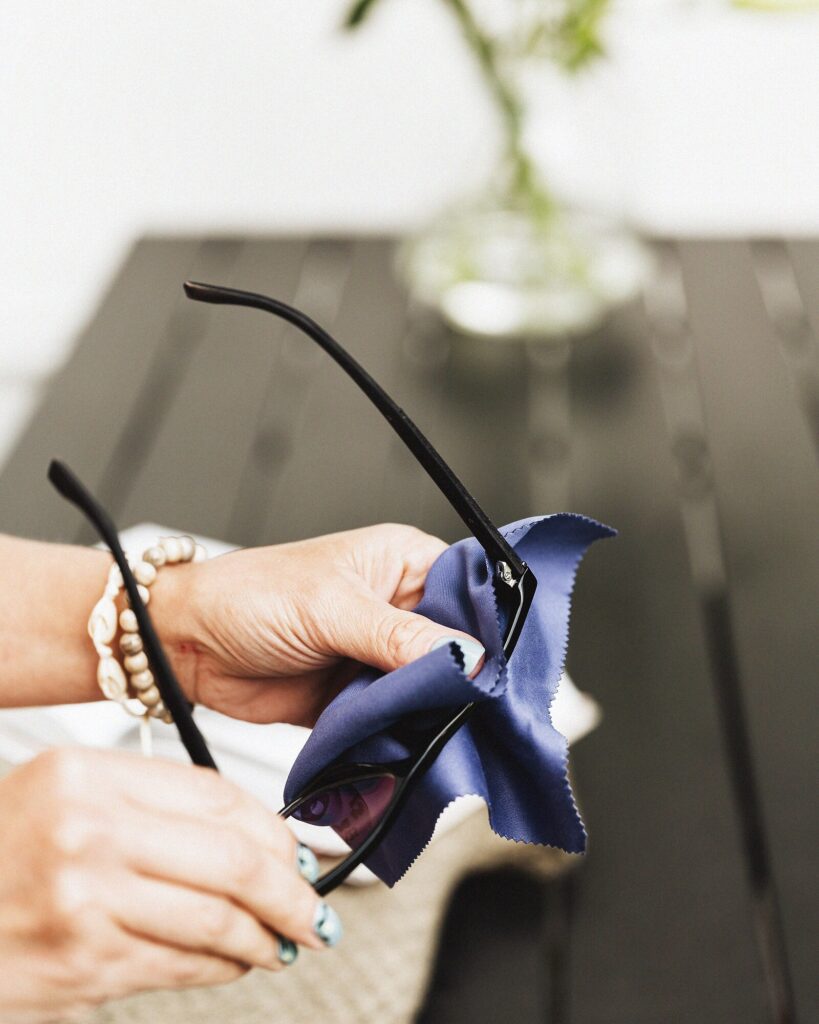
You can use a drop of diluted rubbing alcohol on a soft cloth to remove stubborn smudges from glass lenses. Alcohol can damage some anti-reflective coatings, so use it sparingly and check first. When unsure, stick to lens cleaners for coated lenses.
I am someone whose offense is constantly wiping on his shirt which my optometrist probably doesn’t love. For the really stubborn smudges this works but I’m careful with my good glasses after learning coatings don’t always play nice.
8. Remove Permanent Marker
You can clean permanent marker stains on hard surfaces such as glass, plastic, whiteboards, and countertops by rubbing alcohol. Simply apply some alcohol to the stains, wait a few seconds, and wipe them clean.
As children, my kids seemed to think any surface offering a marketing claim that a surface is “permanent” marker friendly was a target for their ‘creative expression’…. If only I had known this trick then, I could have saved a coffee table and a good deal of my sanity.
9. Stainless Steel Appliances
To remove fingerprints and smudges from stainless steel, use a little rubbing alcohol on a microfiber cloth, and dry the cloth along the direction of the grain. It removes the oily prints on the surface that a clean refrigerator should not have.
My husband opens the fridge about four hundred times a day, leaving a fingerprint every time. I would say that rubbing alcohol is quicker than nagging him, and a lot more effective.
10. Sticker and Label Residue
To remove gummy labels from glass, plastic, and metal, apply rubbing alcohol directly to the residue on the label. Wait about a minute and then try to rub the label off. The adhesive should break down and come off without leaving a sticky mess.
I promise myself that I will one day organize the pantry using the jars I save. The sticky labels on the jars drive me crazy. With this I am able to reuse the jars without having to deal with a gluey label that reminds me of the past.
11. Jewelry and Gemstones
Absolutely avoid using this technique on any soft stones, or porous stones, including, but not limited to pearls, opals, and turquoise. All other gold, gems, and hard stones can be soaked in rubbing alcohol, and then you can gently wash with a soft brush to remove oils and grime that may dull the stones.
My wedding band clouds over faster than I would like to admit. A fast dip and a soft brush to scrub to make it sparkle again — just not the rings with the softer stones which I have learned to leave alone.
12. Battery Corrosion
Cotton swabs with rubbing alcohol can be used to clean that white, crusty buildup in a battery compartment. Before reinserting new batteries, remember to take out the old batteries, wipe the battery contacts and allow all of the components to dry completely.
I discovered an old flashlight in a drawer. The batteries were dead and clearly had a one-way ticket to the trash. I’ll see if some rubbing alcohol and a swab saves the contacts.
13. Dissolve Hairspray Buildup
Using hairspray will cause mirrors, counters, walls, and floors to get sticky residue around your getting ready area. To clean it off easily, take some rubbing alcohol. Just dampen a cloth and wipe the area.
I thought my daughter’s area might be needing another deep mop when I saw how tacky the floor was. It turns out the deep mop was just my rubbing alcohol cutting through the grime.
14. Chrome Faucets and Fixtures
To remove water spots, and toothpaste splatters, and get chrome faucets and fixtures shining streak-free, try rubbing alcohol on a soft cloth. The handles get disinfected too!
It is very nice for a faucet to shine. In just two minutes I made this whole bathroom more enjoyable for everyone.
15. Scissors, Tweezers, and Clippers
To remove adhesive residue from cutting tape and labels and to disinfect your scissors, tweezers, and nail clippers, rub alcohol on the blades. Make sure to dry them off to prevent rust.
My kitchen scissors cut everything from packaging tape to chicken, and they get gummy fast. An alcohol wipe keeps them clean and helps them cut smoothly so they don’t get glued shut.
16. Earbuds and AirPods
A cotton swab dipped in rubbing alcohol can be used to clean grime off earbuds and their cases. Make sure not to get the charging points wet and wait for everything to dry before charging.
My kids’ earbuds are usually stashed in pockets, backpacks, and once, even a gym bag. I don’t want to describe what I found on them, but using rubbing alcohol makes me feel okay about giving them back.
17. Ink Stains on Fabric
To help prevent an ink stain from setting, apply some isopropyl (rubbing) alcohol to the stain using a cotton ball and blot the ink stain from the outside in. Then, wash the item as usual.
One time, my husband’s work shirt pocket had a pen explode in it, and I figured it was a lost cause. Luckily, there was a way to pull most of it out with rubbing alcohol, and I saved the shirt from going to the rag pile.
18. Frost-Free Car Windows
With a spray bottle of rubbing alcohol and water, you can melt light frost from your car windows on cold mornings and even help prevent them from freezing again! Because rubbing alcohol lowers the freezing point, the frost will wipe away instead of you having to scrape it.
Iowa suffers from brutal winters and I hate nothing more than scraping the windshield at 7 a.m. To avoid standing out in the cold scraping the ice off my windshield, I use this little trick to buy myself a few extra minutes.
19. Blinds and Window Tracks
To clean the dusty slats of the blinds and the dirty tracks of the windows, you can wrap a cloth dampened in rubbing alcohol around an old butter knife or use a cotton swab. It helps in cutting the greasy dust that plain water just smears around.
I always put this task off as long as possible, and I at least know that rubbing alcohol will help get this done really quickly. The kitchen blinds always collect a sticky layer of cooking grease and dust, and I always push this chore off as long as possible.
20. Deodorant Marks on Clothes
Using a little bit of rubbing alcohol on a cloth, you can remove white deodorant streaks on dark shirts. The rubbing alcohol will dissolve the residue without leaving marks.
I have lost count of how many times I have had to leave the house only to see a deodorant mark on my black top. A dab of the offending top is all it takes to get my outfit looking alright without needing to change completely.
21. TV and Computer Screens
When cleaning screens, it’s best to use rubbing alcohol that is diluted and used very sparingly, and never spray it directly on the screen. Instead, wipe gently to remove dust and fingerprints. Make sure to keep away from coated or matte screens that have warnings about alcohol.
Dog-nose height smudges and a thin layer of dust cover the television screen. It takes only a slightly damp cloth to remedy the situation, and I keep it light so as not to risk damaging the screen’s coating.
22. White Sneakers and Scuff Marks
Using rubbing alcohol on a cloth or cotton ball will help remove scuff marks from white rubber soles and clean canvas shoes. Work in circular motions and let them dry.
My daughter’s white sneakers turn from brand new to awful in roughly a week. While this won’t make them new again, it will give them a few more wears before I just give in and accept their gray fate.
23. Greasy Light Switches and Outlet Plates
A rubbing alcohol cloth works well to remove the grimy buildup around light switches and outlet plates. Just be sure to keep it damp, not wet, when you’re cleaning around electrical fixtures. It removes the finger grease that simple wiping leaves behind.
I hadn’t realized how dirty our switch plates had become until I cleaned one and saw the difference. Now I see them everywhere. It’s a blessing and a curse depending on the day.
24. Hard Plastic Toys
Hard plastic toys can be disinfected and cleaned by wiping them down with a cloth containing some rubbing alcohol and allowing them to air dry. This comes in handy after someone has been ill, or when toys have been to unclean places.
When my kids used to put everything in their mouths, this product was a life saver. Even now, I wipe down the dog’s hard chew toys because Gigi likes to treat the backyard like a buffet.
25. Coffee Maker and Blender Buttons
For cleaning coffee makers, blenders, and other small appliances, use cotton swabs and rubbing alcohol to clean all the crusty sticky buttons and small cracks. Because it breaks down the dried splatters that sponges cannot reach.
For far too long, I had put off cleaning some sticky residue off the buttons on my coffee maker. Using a cotton swab and some rubbing alcohol, I was able to get them looking new again. It was a small victory before enjoying my first cup of the day.
26. Water-Based Paint Splatter
You can use rubbing alcohol to soften fresh latex paint splatters on glass, tile, and hardware, allowing you to easily wipe or scrape them away. Just dab it on, let it sit for a minute, and the splatter will lift.
There are always paint specks on window glass that I thought I did a good job of taping off. I use rubbing alcohol because it works and it doesn’t scratch the glass.
27. Stainless Sink and Drain Area
For an extra polished look, try a final wipe of rubbing alcohol. It disinfects and removes any water spots, leaving a streak-free shine. Your sink will look brand new!
The sink is always the grossest place because that’s where everything ends up, so the final wipe being a disinfectant makes me feel better. It takes ten seconds to make the kitchen feel clean, rather than just rinsed.
28. Refresh Whiteboards and Dry-Erase Boards
Rubbing alcohol can clean your whiteboard and help remove stains and ghosting caused by old markers. Simply wipe the entire surface and wait for it to dry. You can then erase the board like new again.
It felt great to remove months of permanently shaded ghost writing of grocery lists on our family command center whiteboard. One alcohol wipe and it was as good as new.
29. Disinfect Trash Cans and Diaper Pails
After cleaning a trash can or pail, spray or wipe the inside with rubbing alcohol to both disinfect the surface and eliminate any remaining odors. Allow to air dry before replacing the liner.
It seems like no amount of new bags can hide the smell coming from the kitchen. Wiping it down with alcohol really does work, unlike the scented candle I’ve been lighting in my futile attempts to cover it up.
30. Defog and Clean Goggles
To Clean swim goggles, ski goggles, and safety glasses, use a small amount of rubbing alcohol to remove body oil and dirt, then rinse and let air dry. Be careful not to touch any anti-fog coating, as alcohol will remove it.
A film develops on my kids’ swim goggles, making the pool look foggy. I can clear it up with a careful clean as long as I avoid the anti-fog coating.
Cleaning with rubbing alcohol is so cost-effective, disinfects and dries quickly and cleanly on everything from chrome faucets and phone screens, saving you from buying three separate sprays to do the same jobs. No wonder it found itself a permanent place in the grandma’s medicine cabinet!
They caught my eye after seeing one swipe on a teenage’s phone. Just try to limit to 70%, away from fire and sensitive coatings and keep the bottle on hand. You’ll be amazed at how often it’s the answer to “what do I clean this with?”
Common Questions About Cleaning With Rubbing Alcohol
What should you not clean with rubbing alcohol?
Keep rubbing alcohol off finished or painted wood, since it acts as a solvent and can strip varnish, lacquer, and paint. Avoid it on delicate fabrics like acetate, rayon, wool, and silk, and on some soft plastics, rubber, and vinyl, where it can cause cracking or cloudiness. When in doubt, spot-test a hidden area first.
What should you never mix with rubbing alcohol?
Never mix rubbing alcohol with bleach, since the combination can create chloroform and other toxic fumes. Use it on its own, in a well-ventilated area, and keep it away from open flames and heat because it is flammable.
Can you mix rubbing alcohol and Dawn dish soap?
Yes. A little Dawn, rubbing alcohol, and water makes a popular streak-free glass and surface cleaner, and the Dawn adds grease-cutting power. Mix it fresh, label the bottle, and keep it away from heat and flame since the alcohol is flammable.
Is rubbing alcohol good for cleaning the house?
Yes. At 70% strength it disinfects high-touch surfaces, cuts grease, and dries fast and streak-free on glass, mirrors, stainless steel, and electronics. It is one of the most versatile and affordable cleaners you can keep on hand, as long as you avoid the surfaces it can damage.
Is it better to clean with rubbing alcohol or vinegar?
They are best at different jobs. Rubbing alcohol disinfects, evaporates quickly, and shines glass, electronics, and stainless steel, while vinegar is better for dissolving hard-water deposits, limescale, and soap scum. They are not interchangeable, so it helps to keep both on hand.